


A power of attorney can allow a trusted person to sign VA loan and Texas real estate documents when a veteran or active-duty service member cannot attend the closing. However, there is no single universal “VA power of attorney” form for every purpose.
A VA home loan closing POA must satisfy the lender, the title company, applicable Texas law, and the Department of Veterans Affairs’ transaction-consent rules. Starting early is critical because vague wording, an expired military POA, or missing property details can delay funding and recording.
What Does “VA Power of Attorney” Mean in Texas?
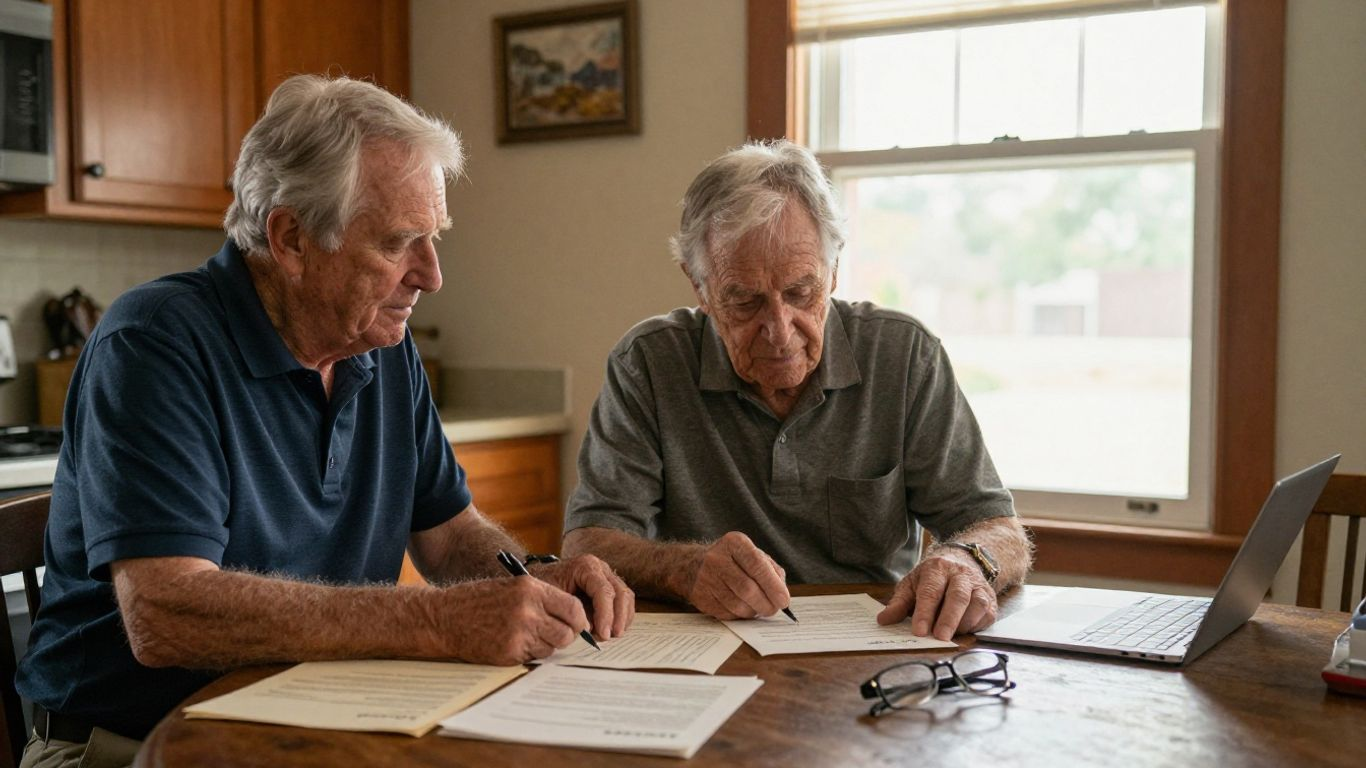 The phrase is commonly used for several unrelated documents. That ambiguity is the main weakness in the original draft and can lead readers to choose the wrong form. On a mortgage website, the primary topic should be a power of attorney used for a VA-backed home loan transaction, while the other meanings should be explained so the reader can distinguish them.
Before downloading or drafting anything, identify the exact job another person needs to perform. The following distinctions prevent a benefits form or healthcare directive from being mistaken for authority to sign a deed of trust.
- VA loan transaction POA: Authorizes an attorney-in-fact to sign specified purchase, construction, refinance, note, deed of trust, or closing documents.
- VA Form 21-22: Appoints an accredited Veterans Service Organization to help with VA benefits or claims. It is not a mortgage-signing POA.
- VA Form 21-22a: Appoints an eligible individual, such as an accredited attorney or claims agent, as a claimant’s representative for VA benefits matters. It is not automatically valid for a home closing.
- VA Form 21-0845: Allows VA to disclose personal information to a third party. It permits information sharing but does not give that person the power to sign mortgage documents.
- VA Form 10-0137: Creates a VA advance directive and healthcare decision-making authority. It does not grant financial or real estate authority.
- Texas statutory durable POA: Can grant broad property and financial authority under Texas law. It may work for a mortgage transaction only when its language, execution, recording, and lender/title requirements are satisfied.
For borrowers who are still preparing their application, reviewing the VA home loan application process can help ensure the POA is coordinated with the broader mortgage process.
| Document | Primary Purpose | For a VA Mortgage Closing? |
| VA loan transaction POA | Signs authorized loan and Texas real estate documents for the named transaction. | Yes, after lender/title approval |
| VA Form 21-22 | Appoints a Veterans Service Organization for VA benefits or claims. | No |
| VA Form 21-22a | Appoints an individual representative for VA benefits or claims. | No |
| VA Form 21-0845 | Authorizes VA to share information with a third party. | No |
| VA Form 10-0137 | Names a healthcare agent and states advance-directive wishes. | No |
| Texas durable POA | Grants financial or property authority under Texas law. | Possibly, if accepted |
The title printed on a document does not control what it can do. The operative language, signatures, notarization, transaction details, lender acceptance, and Texas recording requirements determine whether the attorney-in-fact can complete the VA mortgage closing.
Can You Use a Power of Attorney for a VA Loan Closing in Texas?
Yes. The VA Lenders Handbook permits a veteran to use an attorney-in-fact to execute documents needed to obtain a VA-guaranteed loan. This can help active-duty service members stationed overseas, deployed borrowers, veterans facing travel or medical limitations, and anyone who cannot reasonably attend the Texas closing.
VA permission is only the first layer. The POA must also be valid and legally adequate, allow the mortgage to be enforced in Texas, and preserve the ability to convey clear title if foreclosure ever occurs. The lender and title company therefore need to approve the document, not merely confirm that it has been notarized.
A power of attorney does not transfer the veteran’s VA benefit to the agent. The attorney-in-fact signs on the veteran’s behalf, but the veteran remains the borrower whose service, entitlement, occupancy intent, credit, income, and repayment ability support the loan.
When a VA Loan POA May Be Useful
A POA should solve a genuine availability or signing problem, not be added casually to the file. The lender may ask why it is needed and may require additional documentation when the borrower cannot communicate directly or when capacity is questioned.
- Deployment or overseas duty. The borrower may be unable to appear before a Texas closing agent but can authorize a spouse or another trusted adult to sign approved documents.
- Permanent change of station or travel. A move, training assignment, or duty schedule may conflict with the closing date, particularly when the property and borrower are in different states or countries.
- Medical or mobility limitations. A veteran who understands the transaction but cannot physically attend may use a properly executed POA, subject to lender and title review.
- Remote purchase or construction closing. A buyer may need an agent to sign for a Texas purchase, refinance, or VA construction transaction when the borrower is away from the property.
- Unexpected closing conflict. A narrowly drafted specific POA can keep a transaction moving when the borrower becomes unavailable after underwriting but before signing.
Electronic signing may reduce the number of documents that require an attorney-in-fact, but it does not eliminate every notarization, wet-signature, title, or county-recording requirement. Confirm the final signing method with the closing team.
General, Specific, Durable, and Military POAs for VA Loans
The VA Lenders Handbook recognizes a valid general or specific POA, but the type that works best depends on the borrower’s other signed documents and the exact authority granted. For most Texas closings, a specific real estate or mortgage POA is easier to review because it limits the agent to one property and one transaction.
Specific Power of Attorney
A specific or special POA authorizes the attorney-in-fact to complete a defined VA loan transaction. It can name the property, loan purpose, sales price or maximum amount, loan program, occupancy intent, signing powers, and expiration date. That precision reduces the risk that the agent appears to have authority beyond the closing.
This is usually the most practical choice when the veteran can identify the property and closing terms before signing the POA. The lender or title attorney should provide or review the wording so the document matches the note, deed of trust, riders, affidavits, and closing disclosures.
General Power of Attorney
A general POA grants broader authority. Under VA guidance, it may support a loan transaction when the veteran has also signed the sales contract and Uniform Residential Loan Application and those documents clearly express the intent to obtain a VA loan on the specific property.
A general POA can still be rejected if its language, age, execution, or scope does not satisfy the lender or title company. Because broad authority creates additional risk, borrowers should not assume that a general financial POA will automatically cover mortgage and real property documents.
Durable Power of Attorney
Durability addresses whether authority continues after the principal becomes incapacitated; it does not by itself make the document acceptable for a VA mortgage. A Texas statutory durable POA can include real property powers, but the transaction still needs VA-specific written consent and lender/title approval.
When incapacity is already an issue, the file may require more than an ordinary closing POA. The lender may need legal review, guardianship or fiduciary documentation, and VA prior approval depending on the facts. A POA should not be signed after the principal no longer has legal capacity.
Military Power of Attorney
An eligible service member may obtain a military POA through a military legal assistance office. Federal law requires states to recognize qualifying military powers of attorney even when their format differs from state forms. VA guidance treats a military POA as a general POA and states that it is valid during the active-duty service member’s deployment period, not to exceed one year.
Even with federal recognition, provide the military POA to the lender and Texas title company early. The closing team must confirm that the document covers the transaction, remains effective, identifies the attorney-in-fact correctly, and can be used with the documents that will be recorded.
What Must a VA Loan Power of Attorney Include?
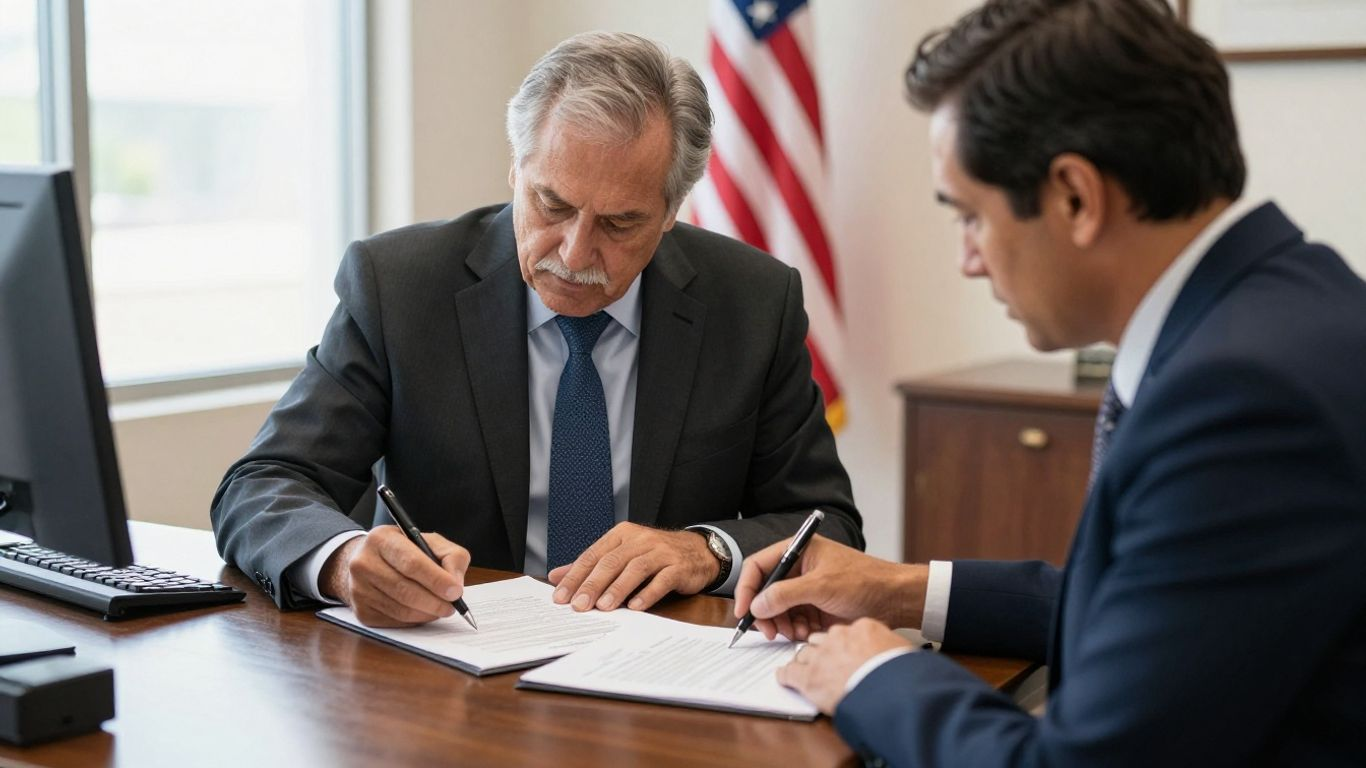 A document can be valid under state law yet still fail the VA loan file because it does not show the veteran’s consent to the specific transaction. VA guidance identifies five core transaction elements for a specific POA or other signed consent document.
- Use of VA entitlement. State the veteran’s clear intention to use all or a specified amount of VA home loan entitlement for the transaction.
- Loan purpose. Identify whether the authority concerns a purchase, construction, repair, alteration, improvement, or refinance loan.
- Property identification. Include the specific property address and any legal description or title information requested by the closing agent.
- Price and material terms. State the sales price when applicable and the relevant loan or transaction limits so the agent cannot accept materially different terms without approval.
- Occupancy intention. Confirm the veteran’s intent to use the property as a home under the applicable VA occupancy requirement.
- Authorized documents and acts. Permit the attorney-in-fact to sign the note, deed of trust, riders, closing disclosures, affidavits, tax documents, and other instruments the lender or title company identifies.
- Effective period and termination. Specify when the authority starts, when it ends, and whether it is limited to the named closing or remains available for post-closing corrections.
- Do not copy these elements into a homemade form without review. The lender, title company, Texas attorney, or military legal assistance office should tailor the language to the actual transaction and signing method.
Borrowers can also review the VA mortgage documents checklist to understand how the POA fits into the broader documentation required for a VA mortgage.
Texas Signing, Notarization, and Recording Requirements
For an ordinary Texas durable POA, the principal generally signs before a notary. Texas also permits remote online notarization when the authorized online notary is physically located in Texas, although the signing principal may be elsewhere. A qualifying military POA has separate federal recognition rules.
A durable POA used for a real property transaction that requires execution and delivery of an instrument is subject to Texas recording rules. In practice, the title company may record the POA with the deed of trust or other closing instruments in the county where the property is located. The closing team should determine whether an original, certified copy, electronic record, or county-specific format is required.
Notarization. Use the acknowledgement format requested by the document drafter and closing agent. A notary verifies the signer’s identity and acknowledgement but does not decide whether the POA is legally sufficient.
Names and signatures. The veteran’s legal name, the attorney-in-fact’s legal name, and the signing format must match the loan and title documents.
Property description. The street address may not be enough for recording. The title company may require the full legal description found in the title commitment or deed.
Recordable format. Margins, page size, notarial certificate, legibility, and copy quality can affect county recording.
Original and copy requirements. Ask whether the closing agent needs the original POA, a certified copy, or an electronically notarized and recordable version.
A Texas online notarization or military POA may be legally recognized but still need advance operational review. Never wait until the signing appointment to ask whether the title company can record it.
How to Get and Use a VA Loan POA in Texas: Step by Step
The process should begin before the final closing disclosure and loan package are issued. This sequence keeps the lender, title company, attorney-in-fact, and veteran working from the same approved document.
1. Tell the lender and title company why the POA is needed
Explain whether the veteran will be deployed, overseas, traveling, medically unavailable, or unable to attend for another reason. Ask which documents the attorney-in-fact must sign and whether any can be completed electronically by the veteran.
2. Choose a trustworthy attorney-in-fact
Select an adult who is available on the closing date, can present acceptable identification, understands the transaction, and will follow the veteran’s instructions. A spouse is common, but marriage alone does not authorize one spouse to sign for the other.
3. Obtain lender and title-approved wording
Ask the lender, title company, Texas attorney, or military legal assistance office to prepare or approve the POA. Generic internet forms often omit VA entitlement, occupancy, transaction, or recording language.
4. Add the exact VA transaction details
Include the property, purpose, price or limits, relevant loan terms, authority to sign required documents, occupancy intent, and any expiration or correction powers. Material changes after signing may require updated consent.
5. Sign and notarize the POA correctly
Use the execution method approved by the closing team. This may involve a Texas notary, a Texas remote online notary, a military notary, or another legally recognized notarization process.
6. Send the executed POA for final review
Provide a clear copy immediately and deliver the original or certified copy if required. The lender and title company should confirm acceptance before the attorney-in-fact travels to the signing.
7. Complete the VA alive-and-well verification
At closing, the lender must obtain written evidence that the veteran is alive and, if on active duty, not missing in action. Follow the lender’s instructions for timing and acceptable evidence.
8. Sign, fund, and record the transaction
The attorney-in-fact signs in the exact representative capacity shown in the approved closing instructions. The title company then records the deed of trust, POA, and other instruments as required.
9. Store or revoke the POA after closing
Keep the final closing package and recorded POA. If the authority should not continue, discuss a written revocation and notice to the agent, lender, title company, and county records with a Texas attorney.
Before starting, review the site’s VA mortgage documents checklist and VA home loan application process so the POA is coordinated with the rest of the underwriting and closing file.
Before starting, review the VA mortgage documents checklist and how to apply for a VA home loan so the POA is coordinated with the rest of the underwriting and closing file.
What Is the VA Alive-and-Well Certification?
When an attorney-in-fact signs for the veteran, the lender must verify that the veteran is alive at the time of closing. If the veteran is on active military duty, the lender must also verify that the veteran is not missing in action. This is often called the VA alive-and-well statement or POA certification.
The lender, not the borrower or title company, completes the required certification based on acceptable written evidence. The evidence date must align with VA timing requirements relative to the execution of the note and security instruments. Because lender procedures vary, the veteran should remain reachable on closing day and follow the loan officer’s instructions.
Failure to complete this verification can jeopardize VA guaranty eligibility. It is not a ceremonial extra and should be included in the closing checklist from the moment the file is marked for POA signing.
Does a POA Change the VA Occupancy Requirement?
No. A VA purchase loan is generally for a home the eligible borrower intends to occupy as a primary residence. The POA allows someone else to sign; it does not convert the loan into financing for an investment property or second home.
The specific POA or signed transaction documents should state the veteran’s occupancy intention. In some active-duty situations, occupancy by a spouse or another applicable VA exception may satisfy the requirement, but the lender must document the correct rule for the borrower’s circumstances.
Borrowers should also confirm that their Certificate of Eligibility is available and accurate. The attorney-in-fact may help initiate the COE request, but the veteran’s service and entitlement determine eligibility. Reviewing the VA loan eligibility requirements can help borrowers understand the eligibility side of the process.
How Long Does a VA Loan POA Take in Texas?
The document itself can sometimes be prepared and signed quickly, but approval is the real timeline risk. A lender, title company, attorney, remote notary, military legal office, and county recorder may each need time to review or process the document.
Drafting and internal review. Allow several business days when the property and loan terms are already known. More time may be needed for construction, trust, guardianship, foreign notarization, or capacity issues.
Military legal assistance. Availability varies by installation, deployment location, and appointment schedule. Start before final loan approval whenever possible.
Notarization and delivery. Remote or military notarization can reduce travel, but original-document shipping or certification may still be required.
Title and lender approval. Revisions can occur if the POA omits the legal description, VA consent elements, signing authority, expiration, or recordable acknowledgement.
County recording. The title company usually coordinates recording at closing, but rejected formatting can delay completion.
The safest planning assumption is that a POA needs to be approved before the closing date is scheduled. A same-day draft may be legally signed yet still fail lender or title review.
How Much Does a VA Loan Power of Attorney Cost?
There is no standard VA fee for creating a mortgage POA. Costs depend on who prepares it, how it is notarized, whether legal advice is needed, and whether recording or certified-copy fees apply. Eligible service members may be able to obtain document preparation and notarization through a military legal assistance office at no cost.
A Texas attorney may charge for drafting or reviewing a transaction-specific POA, while remote online notarization and county recording can involve separate fees. These costs are distinct from ordinary VA loan closing costs in Texas. Ask the lender and title company for an itemized explanation rather than assuming the POA is included in the standard closing package.
Common VA Loan POA Mistakes to Avoid
Most POA problems are preventable. They happen when borrowers treat the document as a generic permission slip instead of a mortgage, title, and VA compliance instrument.
- Using a benefits form for a mortgage closing. VA Form 21-22, 21-22a, or 21-0845 may help with claims or information sharing, but they do not automatically authorize the signing of a Texas note or deed of trust.
- Downloading a generic form without review. A broad online template may omit the VA transaction-consent elements, legal description, signing powers, or Texas recording language.
- Assuming a spouse can sign automatically. A spouse needs authority for the veteran’s documents unless signing only the spouse’s own obligations. Marriage is not a substitute for a valid POA.
- Waiting until the closing week. Title and lender counsel may request revisions, original delivery, a certified copy, or a different notarial acknowledgement.
- Leaving the property or terms vague. A specific POA should identify the actual transaction and establish limits on price, loan purpose, and authority.
- Ignoring expiration or deployment dates. An expired POA cannot be revived by the agent. Check the effective date, ending event, and any military deployment limitation.
- Forgetting the alive-and-well process. The lender must verify the veteran’s status at closing. A signed POA alone does not satisfy this VA requirement.
- Changing material terms after execution. A new sales price, property, loan purpose, or material term may exceed the authority granted and require fresh written consent.
Send every revision to the closing team and keep a written record of approval. The person who notarizes the POA does not replace the lender, title company, or attorney review.
Final Answer
A veteran or active-duty service member can use a power of attorney to complete a VA loan closing in Texas, but the document must do more than name a trusted person. It must be legally adequate, accepted by the lender and title company, show the veteran’s written consent to the specific VA transaction, satisfy Texas execution and recording rules, and be paired with the lender’s alive-and-well verification.
The best approach is to use a transaction-specific document prepared or approved by the closing team, sign it well before closing, and keep the veteran available for final verification. That planning protects the borrower’s VA entitlement, reduces title risk, and prevents an avoidable delay at the signing table.
Frequently Asked Questions
Is there an official VA power of attorney form for a home loan closing?
The VA does not provide one universal mortgage-closing POA for every state and transaction. The lender and title company typically require a legally adequate general, specific, or military POA containing the necessary VA transaction consent and Texas real estate authority.
Can I close a VA loan in Texas while deployed overseas?
Yes, a properly approved attorney-in-fact can sign many or all required documents. Start early so the POA, notarization, delivery, lender review, title review, and alive-and-well verification are complete before closing.
Does the VA require a specific power of attorney?
VA guidance allows a valid general or specific POA. A specific POA is often preferred because it directly states the entitlement, purpose, property, price and terms, occupancy intent, and authorized acts.
Can my spouse sign my VA loan documents for me?
Only when your spouse has valid authority to sign on your behalf or is signing documents in the spouse’s own capacity. Marriage by itself does not create power of attorney.
Can the attorney-in-fact apply for my Certificate of Eligibility?
VA guidance permits the attorney-in-fact to use an adequate POA to apply for a COE and initiate loan processing. The COE still reflects the veteran’s own service and entitlement.
Does a Texas VA loan POA have to be notarized?
An ordinary Texas durable POA is generally acknowledged before a notary. Military POAs and remote online notarizations have separate rules, so use the execution method approved by the lender and title company.
Must the POA be recorded in Texas?
A durable POA used for a real property transaction requiring execution and delivery of an instrument is subject to Texas recording requirements. The title company should determine how and where it will be recorded.
What is an alive-and-well statement?
It is the lender’s verification that the veteran is alive at closing and, if on active duty, not missing in action. The lender completes the required VA certification based on acceptable evidence.
Can a POA be used for a VA refinance or construction loan?
Potentially, yes. VA transaction consent can cover purchase, construction, repair, alteration, improvement, or refinance purposes. The document must be drafted for the actual loan and accepted by the lender and title company.
Can I use remote online notarization while outside Texas?
Texas permits an authorized Texas online notary to perform a remote notarization while the notary is physically in Texas and the signer is elsewhere. The lender, title company, and county recorder must still accept the electronic document and process.
Does a power of attorney continue after the veteran dies?
No. An agent’s authority does not continue after the principal’s death. VA also requires the lender to verify the veteran is alive when a POA is used for closing.
Is VA Form 21-22 the same as a VA loan power of attorney?
No. VA Form 21-22 appoints a Veterans Service Organization for benefits or claims. It does not automatically authorize a representative to sign a Texas mortgage or real estate closing package.


