


A VA loan termite inspection in Texas is more accurately called a wood-destroying insect, or WDI, inspection, and Texas is one of the states where VA requires WDI information for applicable VA-financed properties statewide. The report is separate from the VA appraisal and the buyer’s general home inspection, and Texas real-estate transactions use the state-prescribed SPCS/T-5 Wood Destroying Insect Report completed by a properly licensed termite-control professional.
Current VA rules also allow the Veteran to pay the required WDI inspection fee when the VA Notice of Value requires it, although the buyer and seller can still negotiate who actually pays. This 2026 guide explains the exact form, inspector qualifications, 90-day report validity, typical Texas costs, condo and new-construction exceptions, treatment and repair rules, and how to keep a WDI issue from delaying closing.
Quick Answer: Does a VA Loan Require a Termite Inspection in Texas?
For a typical existing single-family home purchased with a VA loan in Texas, expect the lender to require a wood-destroying insect inspection. The Texas Official Wood Destroying Insect Report, SPCS/T-5, should be completed by a certified applicator or licensed technician in the Termite and Wood Destroying Insect Control category. VA inspection reports are valid for 90 days. A standard stand-alone WDI inspection commonly falls around $100 to $175 in many Texas markets, but larger, rural, pier-and-beam, or multi-structure properties can cost more. If active infestation or required MPR repairs are identified, the lender will need the applicable treatment, repair, and completion evidence before the VA loan can be guaranteed.
What Is a VA Loan Termite Inspection in Texas?
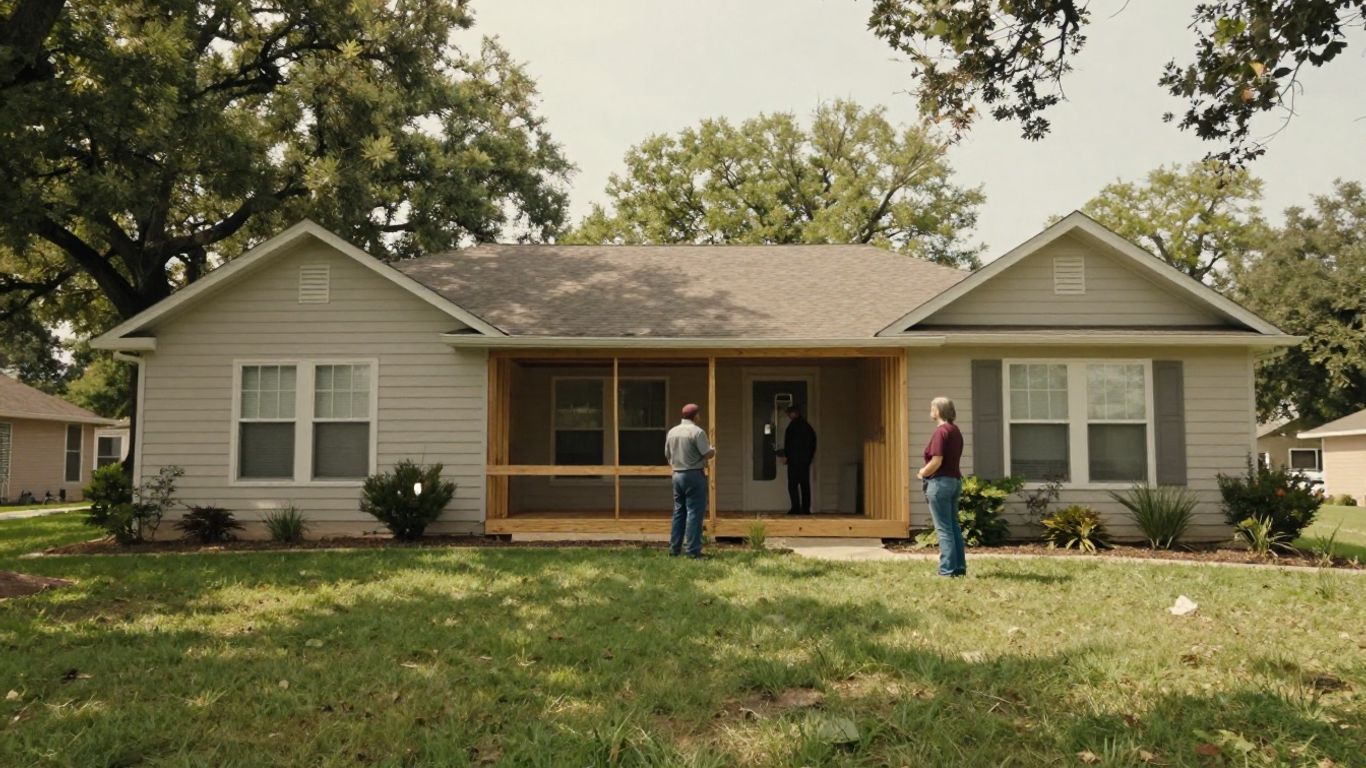 A VA termite inspection is a visual inspection for wood-destroying insects and conditions that can contribute to infestation. In Texas, the official report covers more than subterranean termites. The state form includes categories for subterranean termites, drywood termites, Formosan termites, carpenter ants, and other wood-destroying insects.
The inspection is limited to visible and accessible areas at the time of the visit. Concealed spaces behind wall coverings, stored items, furniture, inaccessible crawlspaces, or areas that would require destructive testing are outside the normal scope. That is why a clear WDI report should never be described as a guarantee that a home is completely pest-free.
For the broader mortgage context, review the Texas VA Loan Guide for 2026, which explains VA property standards alongside eligibility, credit, income, entitlement, and closing requirements.
Is a Termite Inspection Required for VA Loans in Texas?
Yes, wood-destroying insect information is required for VA properties across the entire state of Texas when the applicable VA property condition requires it. VA lists Texas among the states where this documentation is required because of termite exposure.
For an existing single-family home, townhome-style property, or site condominium, the requirement is usually straightforward. The VA Notice of Value can carry a wood-destroying insect condition that must be satisfied before guaranty.
The rule is not identical for every property type, which is why buyers should confirm the exact requirement with the lender as soon as the contract is accepted.
Texas Condo Exception
A WDI inspection is generally not required for a unit in a low-rise or high-rise condominium where the units are vertically stacked, unless the VA appraiser notes a potential infestation problem.
Site condominiums, villas, and townhome-style properties where units are not vertically stacked are treated differently. VA’s handbook says the WDI condition is generally required unless acceptable evidence of a treatment guarantee has been provided by the homeowners association.
New Construction and Soil-Treatment Guarantees
New and proposed construction can satisfy the WDI requirement differently from a resale home. VA guidance states that for new construction, an acceptable soil-treatment guarantee is preferable and can satisfy the relevant WDI condition.
Builders, lenders, and appraisers should coordinate the correct treatment certification early. Buyers should not assume that a brand-new home automatically eliminates every termite-related documentation requirement.
Why VA Requires Wood-Destroying Insect Information in Texas
VA property standards are designed to support a home that is safe, sanitary, and structurally sound enough for residential use. Wood-destroying insects can affect framing, sill plates, crawlspaces, trim, decks, and other wood components, so a pest condition can become relevant to the property’s VA Minimum Property Requirements.
The WDI report gives the lender a specialized property document that the appraisal does not replace. If the report identifies a condition that results in required MPR repairs, current VA policy requires those repairs to be completed before guaranty.
The purpose is not to create a pass-or-fail label for the house. It is to identify visible evidence, record conditions, and give the lender enough information to determine whether treatment, repair, or additional documentation is needed.
VA Termite Inspection vs. VA Appraisal vs. Home Inspection
These three services overlap only in the sense that they all look at the property. They answer different questions, and one should not be used as a substitute for another.
VA Wood-Destroying Insect Inspection
The WDI inspection focuses on visible evidence of active or previous wood-destroying insect infestation, signs of previous treatment, and conditions conducive to infestation. In Texas, it is documented on the official SPCS/T-5 report.
VA Appraisal
The VA appraisal establishes market value and evaluates the property against applicable VA Minimum Property Requirements. The appraiser is not performing the same detailed pest-control inspection as a licensed WDI professional.
Buyer’s General Home Inspection
A general home inspection is buyer due diligence and typically reviews the visible condition of major systems such as roof, foundation, electrical, plumbing, HVAC, structure, and appliances. A general inspector may observe pest concerns, but that does not automatically replace the official Texas WDI report required for the VA file.
Texas buyers should budget for these as separate parts of due diligence and loan processing. A zero-down VA loan can still involve inspection, appraisal, title, tax, insurance, and other cash-to-close items.
See VA Loan Down Payment in Texas for a fuller explanation of why zero down does not mean zero cash to close.
Which Form Is Required for a Texas VA Termite Inspection?
For a Texas real-estate transaction, the correct state form is the Texas Official Wood Destroying Insect Report, SPCS/T-5. Texas Department of Agriculture Rule 7.176 requires the department-prescribed form for real-estate transaction reports involving the visible presence or absence of wood-destroying insects and conducive conditions.
VA’s handbook accepts state-required inspection forms, so the Texas form fits the VA requirement. This is an important correction to generic online advice that tells every borrower to use NPMA-33. NPMA-33 is a common national industry form, but Texas has its own state-prescribed WDI report for real-estate transactions.
You can review the Texas Official SPCS/T-5 WDI form before scheduling so you know what the inspector will document.
VA Form 10-1004 Is Not the Texas WDI Report
VA appraisal forms and Texas pest-control forms are separate documents. Do not submit appraisal paperwork as a substitute for the Texas WDI report. The lender should receive the required WDI documentation in the accepted Texas format.
Who Can Perform a VA Termite Inspection in Texas?
Texas rules are specific about who can issue the official WDI report. The inspection must be performed under a properly licensed pest-control business by a certified applicator or technician licensed in the Termite and Wood Destroying Insect Control category.
A general home inspector can also hold the necessary Texas pest-control credentials, but a home-inspector license alone is not enough. Before scheduling, ask for the Texas Department of Agriculture license information and confirm that the provider will issue the SPCS/T-5 report required for the real-estate transaction.
What Does the Texas WDI Inspector Look For?
The inspector examines accessible areas for visible evidence of wood-destroying insects, previous infestation, previous treatment, damage indicators, and conditions that can contribute to infestation.
- Active infestation. Visible evidence that termites or another listed wood-destroying insect is active in or on the structure.
- Previous infestation. Evidence that an infestation occurred in the past even if current activity is not observed.
- Previous treatment. Visible treatment evidence such as drill marks, trenches, treatment stickers, bait systems, or other indications.
- Conducive conditions. Conditions such as wood-to-soil contact, excessive moisture, certain wood piles, ventilation issues, or other observable factors that can support infestation.
- Accessible damage indicators. Visible wood damage or conditions that warrant further evaluation.
- Inaccessible areas. Locations the inspector could not evaluate are documented rather than assumed clear.
Detached garages, sheds, fences, guest houses, and other structures are not automatically included simply because they are on the property. If you want those structures inspected, make sure they are specifically included in the inspection order and listed on the report.
How Long Is a Texas VA Termite Inspection Valid?
VA’s Lender’s Handbook states that wood-destroying insect inspection reports are valid for 90 days. That means the lender should make sure the report is still current when the VA condition is cleared and the loan reaches closing.
If the closing is delayed long enough that the report expires, the lender may need an updated inspection. This is another reason to avoid ordering the WDI report too early while still leaving enough time for treatment or repairs if the first report finds a problem.
How Much Does a VA Termite Inspection Cost in Texas in 2026?
VA does not set a statewide price for WDI inspections. Texas pest-control companies and inspection providers set their own fees based on the property, location, square footage, foundation type, travel, access, and whether the WDI report is bundled with a general home inspection.
Current Texas provider pricing in 2026 commonly places a standard WDI inspection around $100 to $175, with some lower bundled prices and higher charges for large homes, pier-and-beam foundations, rural travel, detached structures, or difficult access. Treatment, structural repair, and reinspection are separate costs.
- Property size. Larger homes take longer to inspect and often carry higher base fees.
- Foundation type. Pier-and-beam or crawlspace access can add time and cost.
- Standalone vs. bundled inspection. Some providers discount the WDI report when it is scheduled with the general home inspection.
- Detached structures. Garages, guest houses, workshops, fences, or other buildings may cost extra when specifically included.
- Travel and rural location. Remote Texas properties can carry travel or service-area surcharges.
- Follow-up visit. A reinspection or clearance visit after treatment or repairs can create another fee.
The table below is a planning guide based on current Texas market quotes, not a VA fee schedule. Always obtain the actual written quote for the address.
| 2026 Cost Item | Planning Range | What Changes the Price |
|---|---|---|
| WDI bundled with home inspection | $95-$135 typical | Often discounted when performed with the general inspection |
| Standard stand-alone WDI report | $100-$175 typical | Common range for many ordinary single-family homes |
| Large / pier-and-beam / rural property | $150-$300+ | Access, square footage, travel, and additional structures can raise cost |
| Reinspection / clearance visit | Varies by provider | May be needed after treatment or repairs |
| Treatment or structural repair | Quoted separately | Not included in the inspection fee and can vary widely by finding |
For cash-to-close planning, the inspection fee is usually small compared with potential treatment or repair costs. If the report finds activity or damage, get separate written estimates before agreeing to contract amendments.
Who Pays for the VA Termite Inspection in Texas?
Current VA policy allows the Veteran to pay a required wood-destroying pest inspection fee when the VA Notice of Value requires the inspection. This is a major change from older VA guidance that many websites still repeat.
The seller can still pay the fee, and VA encourages Veterans to negotiate the inspection and any required MPR repair costs with the seller. The purchase contract and closing documents should clearly show who is responsible.
- Veteran/buyer. May pay the required WDI inspection fee under current VA policy.
- Seller. Can agree to pay the inspection, treatment, or repair costs through the contract.
- Negotiated split. The parties can negotiate different responsibilities as long as the final structure complies with VA and closing-disclosure rules.
- Invoice requirement. VA policy requires an itemized invoice identifying the Veteran and property to support the charge on the Closing Disclosure when the Veteran is charged.
Do not rely on an old checklist that says the Veteran can never pay for a termite report. Texas VA Mortgage’s current fee guides already reflect the updated policy.
See VA Allowable Fees in Texas and VA Non-Allowable Fees in Texas for the current 2026 fee rules.
What Happens If Termites or Other WDI Activity Is Found?
A WDI finding does not automatically kill the VA purchase. The report identifies what was visible and whether the inspector recommends corrective treatment, preventive action, or correction of conducive conditions.
Texas rules are specific about when corrective treatment can be recommended. Corrective treatment can be recommended for visible active infestation, or for visible evidence of a previous infestation when there is no evidence of prior treatment. Conducive conditions can also lead to recommendations for prevention or physical correction.
- Active infestation. Treatment is typically addressed before the VA property condition can be cleared.
- Previous infestation with no prior treatment evidence. The inspector may recommend corrective treatment based on the Texas WDI rules.
- Visible damage. The WDI inspector is not automatically qualified to determine structural adequacy, so a contractor, engineer, or other qualified expert may need to evaluate repairs.
- Conducive conditions only. The recommendation may focus on moisture, wood-to-soil contact, ventilation, or another condition rather than chemical treatment.
- Required MPR repairs. VA policy requires repairs needed for Minimum Property Requirement compliance to be completed before guaranty.
- Follow-up proof. The lender may require treatment invoices, repair receipts, a clearance or reinspection report, photographs, or other completion evidence.
Before anyone begins work, ask the lender exactly what evidence will be needed to clear the WDI condition. That prevents a seller from completing treatment only to discover that the loan also needs structural repair documentation.
Does a Texas WDI Report Show Structural Damage?
No. The Texas SPCS/T-5 report specifically states that it is not a structural damage report and not a warranty that wood-destroying insects are absent.
If visible evidence of active or previous infestation is reported, Texas instructs the reader to assume that some degree of damage may be present. The extent and structural significance of that damage should be evaluated by a qualified expert when necessary.
How to Handle a VA Termite Inspection Without Delaying Closing
The best WDI workflow starts early in the option or inspection period. You want enough time to receive the report, negotiate any work, and complete lender-required follow-up before the closing date.
Step 1: Confirm the property type
Ask the lender whether the property requires WDI documentation, especially for condos, townhomes, and new construction.
Step 2: Hire a properly licensed Texas WDI professional
Confirm the inspector can issue the official SPCS/T-5 report.
Step 3: Include every structure you want evaluated
Detached garages, guest houses, sheds, and other structures should be specifically added when needed.
Step 4: Schedule during the inspection period
Do not wait until final underwriting to discover a pest issue.
Step 5: Send the complete report to the lender
Make sure the lender receives all pages, diagrams, findings, and inspector information.
Step 6: Get written treatment or repair requirements
Separate what the inspector recommends from what the lender requires for VA MPR compliance.
Step 7: Negotiate payment responsibility
Document whether the buyer, seller, or another permitted party will pay each inspection, treatment, and repair cost.
Step 8: Complete work and obtain evidence
Collect invoices, treatment certificates, repair receipts, and reinspection documentation as required.
Step 9: Confirm the WDI condition is cleared
Do not assume the file is clear until the lender confirms the required documentation is acceptable.
For broader purchase-file preparation, use the VA Mortgage Documents Checklist and the How to Apply for a VA Home Loan guide.
Common VA Termite Inspection Mistakes to Avoid
Most WDI delays happen because buyers use the wrong form, hire the wrong provider, or wait until the lender is already preparing final approval. These mistakes are easy to avoid when the requirement is handled early.
- Using NPMA-33 as the default Texas real-estate form. Texas has its own state-prescribed SPCS/T-5 report for real-estate transaction WDI inspections.
- Confusing the VA appraisal with the termite inspection. The appraiser does not replace the licensed WDI professional.
- Assuming a general home inspection is enough. A home inspector must also hold the required Texas pest-control credential and issue the proper WDI report.
- Ordering the report too early. VA WDI inspection reports are valid for 90 days, so a long-delayed closing can require an updated inspection.
- Ordering the report too late. Treatment, repairs, structural review, and reinspection can take time.
- Assuming the Veteran cannot pay. Current VA policy allows Veteran-paid required WDI inspection fees and certain MPR repair costs.
- Ignoring inaccessible areas. A report can identify areas the inspector could not evaluate; the lender may request additional access or documentation depending on the situation.
- Assuming every condo is exempt. The exemption generally applies to vertically stacked condo units, not every townhouse or site condo.
- Forgetting detached structures. They may not be included unless specifically listed in the inspection scope.
- Treating a WDI report as a structural report. Visible damage can require evaluation by a qualified construction or engineering professional.
A clean WDI file is simple: correct form, correct license, current report, clear payment documentation, and complete evidence for any treatment or repairs.
Final Verdict: VA Termite Inspection Requirements in Texas
For most Texas VA purchases involving an existing single-family or non-stacked residential property, the WDI inspection is a normal part of the property file. The correct Texas document is the SPCS/T-5 report, the inspector must have the appropriate termite/WDI license, and the report is valid for 90 days.
The most important 2026 correction is payment: a Veteran can pay a required wood-destroying pest inspection fee under current VA policy. If the report identifies active infestation or VA-required repairs, treatment and MPR work must be resolved with the documentation the lender requires before guaranty. Schedule the inspection early, use the correct form, and confirm the clearance requirements in writing.
Buying a Home With a VA Loan in Texas? Texas VA Mortgage can review your VA eligibility, property type, WDI requirement, estimated cash to close, and appraisal conditions before they become last-minute closing issues. Start your VA loan application or call (888) 295-4055.
Frequently Asked Questions
Is a termite inspection required for every VA loan in Texas?
Wood-destroying insect information is required statewide in Texas for applicable VA properties. Vertically stacked condo units are generally exempt unless the appraiser notes a potential infestation issue, and certain new-construction situations can use treatment guarantees.
What form is used for a VA termite inspection in Texas?
The Texas Official Wood Destroying Insect Report, SPCS/T-5, is the state-prescribed real-estate transaction form. VA accepts state-required forms.
Is NPMA-33 required for a Texas VA loan?
Texas uses its own prescribed SPCS/T-5 form for real-estate WDI reports. Do not assume NPMA-33 is the correct Texas transaction form.
Who can perform a Texas VA WDI inspection?
A certified applicator or licensed technician in the Texas Termite and Wood Destroying Insect Control category should perform the inspection under a properly licensed pest-control business.
How long is a VA termite inspection valid?
VA’s Lender’s Handbook states that wood-destroying insect inspection reports are valid for 90 days.
How much does a VA termite inspection cost in Texas?
A standard WDI report commonly runs about $100 to $175 in many Texas markets in 2026. Larger, rural, pier-and-beam, or multi-structure properties can cost more.
Can the Veteran pay for the termite inspection?
Yes. Current VA policy allows the Veteran to pay a required wood-destroying pest inspection fee when the VA Notice of Value requires it.
Can the seller pay for the termite inspection?
Yes. The buyer and seller can negotiate the inspection, treatment, and repair costs in the purchase contract, subject to VA and closing rules.
What happens if termites are found?
The lender reviews the report and determines what treatment, repair, structural evaluation, or follow-up documentation is required before the VA condition can be cleared.
Does a termite finding automatically cancel the VA loan?
No. Many WDI findings can be resolved through treatment, repairs, or corrective work, followed by acceptable completion evidence.
Is the WDI inspection the same as the home inspection?
No. The WDI inspection focuses on wood-destroying insects and conducive conditions. The general home inspection reviews a much broader range of property systems and conditions.
Does a new construction VA home need a termite report?
New construction can follow a different path. VA guidance allows an acceptable soil-treatment guarantee to satisfy the relevant WDI condition in applicable cases.


