


Choosing between a VA loan and a conventional loan is one of the most important mortgage decisions for homebuyers, veterans, active-duty service members, and eligible surviving spouses. A VA loan can offer major benefits like no required down payment, no monthly private mortgage insurance, flexible credit guidelines, and competitive interest rates for qualified borrowers.
A conventional loan may be a better fit for buyers with strong credit, a larger down payment, or plans to purchase a second home or investment property. This guide compares VA loans vs conventional loans so you can understand the key differences in eligibility, down payment, credit score, mortgage insurance, funding fees, interest rates, and long-term costs.
What Is a VA Loan?
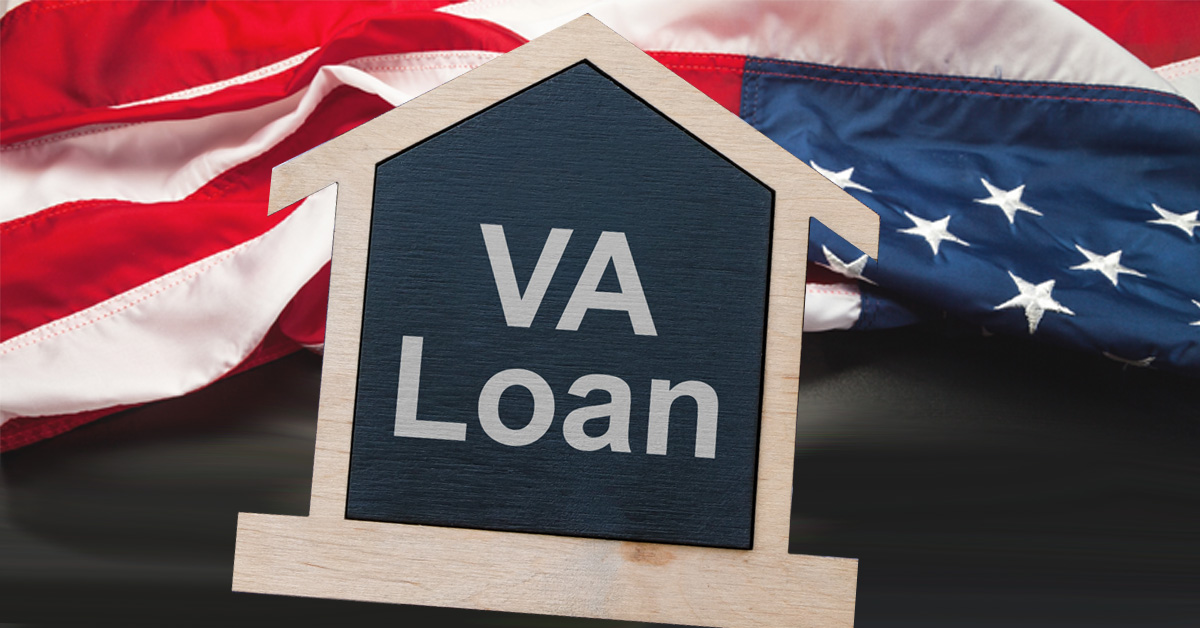 A VA loan is a type of mortgage loan that’s meant especially for folks who’ve served in the military, whether that’s active duty, veterans, or sometimes even certain surviving spouses. It is backed by the Department of Veterans Affairs, which essentially means that the government provides lenders with a safety net. For this reason, I’ve discovered that VA loans have advantages that are not typically offered with conventional loans.
To better understand these benefits, check out VA loan facts.
When I explain it, here is the difference between a VA loan:
No down payment is usually required for eligible borrowers with full VA loan entitlement, making it much easier to purchase a home without years of saving.
No private mortgage insurance (PMI) that would otherwise add dollars to your monthly mortgage payment.
Flexible credit standards, lenders do review your credit, but they are a bit more lenient than other lenders.
The potential for lower interest rates than many traditional mortgages.
Limits on what you can be charged for closing costs, plus help with getting seller concessions.
If you want to participate in a VA loan, you must have a Certificate of Eligibility, which will demonstrate that you are eligible for the program. When I need to know my status, I will know how to begin by researching my Certificate of Eligibility for VA home loan benefits.
| VA Loan Snapshot |
| Down payment |
| Mortgage insurance |
| Guarantee |
| Main borrowers |
| Credit flexibility |
The best part of it for me is that I’m not having to save up a ton of cash for a down payment on a house or pay the typical mortgage insurance. The VA loan can be a shot at homeownership that you might not have thought you could afford, if you’ve served. When I need to know my status, I will know how to begin by researching how to apply for a VA home loan and eligibility requirements.
How VA Loans Work
So, how does a VA loan work? It’s not as difficult as it sounds. The Department of Veterans Affairs (VA) is not the lender. Rather, they guarantee a part of the loan provided by a private lender, such as a bank or mortgage company. This support makes it more likely that lenders will be able to offer you better terms, including the coveted zero down payment. You can learn more about the process through simplifying the VA loan approval process.
Here is a general overview of the process:
Obtain Your Certificate of Eligibility (COE): This is your golden ticket. It demonstrates to the lender that you are eligible for the VA home loan benefit for your service. This is typically available online via the VA’s website or your lender can assist you in getting this. Before applying, review the VA loans eligibility requirements.
It is important to find a Lender and Get Pre-Approved, as not all lenders are familiar with VA loans. They will check your finances, including income, credit and debt, to determine the amount you can borrow. You will also learn about any fees that may apply, such as the VA funding fee, a one-time fee that helps fund the program. Some lenders may also impose a loan origination fee that is approximately 1% of the amount of the loan.
House Hunting: After you receive your pre-approval, you can begin to search for a home. Keep in mind that the VA has minimum property requirements (MPRs) to make sure that the home is structurally sound, safe, and sanitary. These will be assessed at the time of your appraisal.
The Loan Process: Once you have located a home and made an offer that is accepted, the lender will complete the loan process. Just like any other mortgage, this includes underwriting, appraisal, and title search.
Closing: You’ll sign the final documents and the house will be yours! One of the advantages of the VA’s guarantee is that you may not have to pay private mortgage insurance (PMI).
It should be noted that while there is no minimum credit score requirement for the VA, the majority of lenders have one. But, it is much easier to qualify for a VA loan with a lower score than a conventional loan, particularly if you have other good financial considerations. This is one of the key pros and cons of VA loans to consider.
The VA loan program is designed to help veterans and service members become homeowners. The VA guarantees a certain amount of the loan, but the money is provided by private lenders. This government support helps lenders lower the risk they face and can provide perks to qualified borrowers, such as no down payment and competitive interest rates. The process is similar to a traditional loan, but has certain VA requirements, such as the Certificate of Eligibility and minimum property standards.
Typically, closing timelines are comparable to those of conventional loans, but obtaining that COE early can accelerate the process. When purchasing a home, it’s important to understand these steps to make the process go more smoothly.
Who Qualifies for a VA Loan?
So, who gets to use these awesome VA loans? It’s not just anyone, of course. Primarily, if you’re a Veteran, active duty military personnel, or an eligible surviving spouse, you might be in luck. The big thing you’ll need is something called a Certificate of Eligibility, or COE. This little document is your golden ticket, proving your service and that you’re eligible for the VA loan benefit. You can usually get this from the VA itself, or sometimes your lender can help you out.
Beyond the service requirement, lenders will also look at your financial picture. They want to see that you can handle a mortgage payment. This usually means checking your credit history and your income. While the VA doesn’t set a strict credit score minimum, most lenders do. They often look for a score of 620 or higher, though some might go a bit lower if other parts of your application are really strong. It’s all about showing you’re a reliable borrower.
You can learn more about qualification standards by reviewing VA loans eligibility requirements and best veteran home loans in Texas.
Here’s a quick rundown of who generally qualifies:
- Veterans: Those who served a certain period in active duty or in the National Guard/Reserves.
- Active Duty Military: Currently serving personnel.
- Surviving Spouses: Unremarried spouses of service members who died in service or from a service-related disability.
Getting your Certificate of Eligibility is a key step in the VA loan process. It confirms your service history and entitlement to the benefit, making the rest of the loan application smoother.
It’s worth noting that even if your credit isn’t perfect, you might still qualify. Lenders look at the whole picture, including your debt-to-income ratio and employment history. If you’re unsure about your VA eligibility, talking to a lender experienced with VA loans is a really good idea. They can help you figure out exactly where you stand and what steps you might need to take.
VA Loan Benefits
I see a lot of positive things in the VA mortgage for those who served. It’s not simply about buying a home; it’s about making the transaction much simpler and less expensive. One of the best benefits, and a big one, is that eligible borrowers with full VA loan entitlement can often purchase a home without a down payment. Seriously, zero. This is a huge difference from traditional loans where you often have to put at least 3% to 5% down, if not more. It doesn’t require you to save for years for a large sum of money to be able to get into the door.
For a deeper look at these advantages, review benefits of VA home loans and how VA loans benefit military veterans and active personnel.
One of the other big advantages of these veteran mortgage benefits is that you usually won’t be required to pay for private mortgage insurance (PMI). With a conventional loan, PMI is usually required if you make a less than 20% down payment. It is a monthly expense that accumulates and it does feel like paying for something that you don’t really receive. VA loans do not do that. Not to mention, VA loan interest rates can be lower than those for conventional loans. A small difference in interest rate can save you thousands, if not tens of thousands, of dollars over the life of a loan. This can have a significant impact on your monthly mortgage and the overall price of the house.
Since you don’t have to pay PMI and sometimes you may have a lower interest rate, your monthly housing payment can be much lower, which can help you save money for other financial goals or make home ownership more affordable.
If you compare the VA loan benefits with traditional loans, it’s easy to see why so many veterans opt for this route. You can also explore all you need to know about VA loans for a broader overview.
Some of the benefits I’ve seen are:
No Down Payment Required: Most eligible borrowers with full VA loan entitlement can finance 100% of the value of the home. For many veterans, this is a game-changer, as they may not have a significant amount of money to put down. Eligibility can be determined online and a Certificate of Eligibility can be obtained online.
Unlike conventional loans that require less than 20% down, VA loans do not require any Private Mortgage Insurance (PMI). This will allow you to save a lot of money every month.
Lower Interest Rates: VA loans typically have lower interest rates than conventional loans, which can save you money over the life of the loan.
The VA restricts closing costs that lenders may charge and places caps on certain closing costs that can be passed on to the borrower.
If you compare the VA loan benefits with traditional loans, it’s easy to see why so many veterans opt for this route. It’s created to make home ownership accessible and affordable for those who have served our country. The advantages of the VA loan over conventional loans are significant, particularly if you want to avoid making a big up-front payment.
What Is a Conventional Loan?
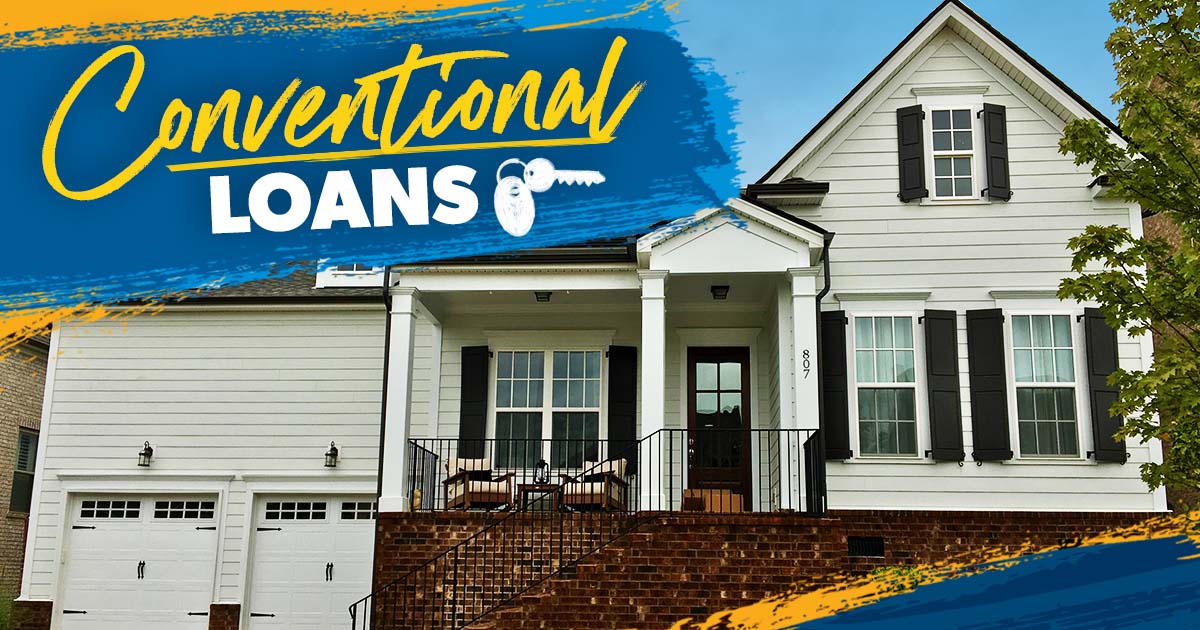 So, what is a conventional loan? In simple terms, it’s a mortgage that is not government supported. It’s like the “go-to” home for many home buyers. These loans are typically offered by private lenders like banks, credit unions, and mortgage companies. However, they are not all identical, as they may have varying terms and features, depending on the lender and the type of loan product.
The majority of conventional loans are referred to as “conforming” loans. This simply means that they comply with Fannie Mae and Freddie Mac guidelines, which are two large firms that purchase mortgages from lenders. Any loan that does not conform to those guidelines is a “non-conforming” loan. This often happens when the loan amount is above the conforming loan limit for that county or when the loan does not meet standard agency guidelines.
If you’re comparing financing options, you may find difference between VA loan and traditional mortgage calculator useful.
A summary of the things you can expect from a traditional loan:
You will most likely be required to have a down payment, which is typically 3-5% or more. If you make a less than 20% down payment, you likely will be required to pay private mortgage insurance (PMI).
Lenders typically require a good credit score, typically 620 or higher, although the better the credit score, the better the terms.
Property Types: These loans are pretty flexible. They can be used in a primary residence, second home, or even an investment property.
Loan Limits: Conventional conforming loans have limits on the amount that can be borrowed, and those limits vary by county. For 2026, the baseline conforming loan limit for a one-unit property is $832,750 in most areas, with higher limits in certain high-cost counties.
Conventional mortgages are not associated with any special requirements for military service or other government programs, unlike government-backed loans. The focus is primarily on your financial qualifications, your creditworthiness and ability to repay the loan.
When you’re searching for a mortgage and you’re not eligible for or don’t want to obtain a government-sponsored loan, such as a VA loan, you probably will be considering a conventional mortgage. It’s a good option for many homeowners, particularly those with a strong credit score and savings for a down payment.
How Conventional Mortgages Work
Therefore, you are considering home financing via conventional mortgages. It’s a fairly common path for many, and knowing how they work is essential. These loans are not backed by the government. Many conventional loans are conforming loans that follow Fannie Mae and Freddie Mac guidelines, while non-conforming conventional loans do not. This can make the mortgage underwriting process slightly more streamlined and, at times, more stringent based on your financial situation.
If you’re preparing for the application process, reviewing a VA mortgage documents checklist can help you understand the types of documents lenders commonly request.
The normal mortgage application procedure seemed pretty easy when I applied for my first one. They really dug into my credit history and income. Here is a general idea of what takes place:
Application: You will complete a comprehensive application with the lender, including details of your income, assets, debts and work history.
Underwriting: The lender’s underwriters will look at all your paperwork. They are evaluating your creditworthiness, income and risk of lending you money.
Appraisal: An independent appraiser will evaluate the property you are interested in purchasing to ensure that the property is worth the amount of the loan.
Approval and Closing: If it looks good, you’ll be given final approval, then you’ll sign all the final documents and the loan will be funded, or closing.
Fixed-rate loans have a fixed interest rate throughout the life of the loan, which is beneficial if you want to know exactly how much you’ll be paying each month. Adjustable rate mortgages, however, begin at a lower rate and may adjust over time, which may be beneficial if you are considering relocating before the rate changes.
The entire mortgage underwriting process for a conventional loan is intended to safeguard the lender and the borrower by making sure that the loan is affordable and the property is a good investment. It’s a thorough review, so be prepared to provide a lot of documentation.
When you’re considering a loan that can be used for multiple properties, such as an investment property or a second home, a conventional mortgage may be the best option. As long as you qualify for the loan, it is a flexible home financing option, particularly when it comes to credit scores and down payments. More information about these types of loans is available from private mortgage lenders.
Conventional Loan Types
When I began researching mortgages, I discovered that there are in fact a couple of different types of conventional loans available. It’s not all about one big category. They are essentially loans that are not government-backed and are subject to the guidelines of Fannie Mae and Freddie Mac. Most people use these, as they’re pretty standard, and not a service member or veteran to come by for one.
When purchasing a high-value property, you may want to explore VA Jumbo Loans if you’re an eligible veteran looking beyond standard loan limits.
I found the following main types:
The most common are Conforming Loans. They conform to Fannie and Freddie’s loan limits. This is likely what you will be looking at if you are purchasing a typical house. They generally have competitive interest rates.
Non-Conforming Loans: These loans are different because they do not meet Fannie Mae and Freddie Mac conforming guidelines. This may be due to the loan amount, property type, documentation, credit profile, or another factor that keeps the loan outside standard conforming rules. Sometimes they are less readily available and may be slightly more expensive.
Jumbo Loans: These are for really expensive properties, and the loan amount is above the conforming loan limits. When you are purchasing a luxury home, you will most likely require a jumbo loan. They may have higher credit score and down payment standards.
The decision of what type of loan to take is a very important one. It impacts your monthly payments, the upfront amount you will need, and even the speed at which you can get approved. It’s important to consider which of these home loan options is best for you.
It’s good to know that conventional loans can be used for more than just your primary home. Unlike VA loans, you can use them for vacation homes or even investment properties. This is one of the reasons why they are still a preferred choice for many buyers.
Benefits of Conventional Loans
 Although VA loans are a popular choice because of the advantages they offer, conventional loans have their own set of benefits that make them a great option for many home buyers. In some cases, the flexibility of a traditional mortgage simply works better, particularly if you don’t meet the criteria for a VA loan or if your financial situation makes it easier to choose a traditional mortgage.
If you’re evaluating mortgage options, comparing them alongside VA loans for home purchases can help determine which financing route best fits your goals.
One of the best benefits that I found with conventional loans is that you can buy a wide variety of properties. VA loans are only available for the purchase of primary residences, whereas conventional mortgages can be used for primary homes, vacation homes, rental properties, and some fixer-uppers depending on lender and property requirements. This flexibility is a huge plus if you’re an investor or just looking for a second property.
Some of the benefits I’ve seen are:
More Property Options: You can not only use your primary residence, but other properties too. Looking for a cabin in the mountains or a condo by the beach? That’s the reason a conventional loan is available.
No Specific Service Requirements: Any individual can apply for a conventional loan as long as they have the financial and credit qualifications of the lender. That is, unlike VA loans, this doesn’t require military service.
Possibly Faster Closing: This isn’t always true, but sometimes conventional loans can close slightly faster because they may not have the same standards of property inspection and appraisal as VA loans. This may be a significant factor in a competitive market.
Refinancing Options: Conventional loans have a number of refinancing options, from reducing your interest rate to accessing the equity in your home.
Also, keep in mind that VA loans have a VA Funding Fee that conventional loans don’t. Some VA borrowers are exempt from this fee, such as certain borrowers receiving VA disability compensation. Typically, conventional loans do not have this specific VA program fee, though they may require PMI if the down payment is less than 20%.
When I’m looking at a borrower’s situation, I often consider the overall picture. A conventional loan may be a very streamlined way to become a homeowner if someone has a good credit score and has saved up for a down payment. It’s all about what suits you and your objectives.
Just keep in mind that each conventional loan lender may have their own set of conventional loan eligibility requirements, so it’s always best to shop around and compare offers. This is particularly true with regard to the amount of down payment required, with some conventional loan programs offering as little as 3% down.
VA Loan vs Conventional Loan Down Payment Requirements
The down payment was a big problem when I was trying to purchase my first home. I felt like I never saved enough. That’s when I really began to understand the difference between VA and conventional loans.
The best advantage of a VA loan is that you will not usually have to pay a down payment if you are eligible and have full VA loan entitlement. Seriously, zero. This is a huge benefit particularly for those who are new to the game or haven’t saved up much. It can mean that you can get a home much sooner than you may think. This is a benefit of your military service and not necessarily your credit score, which is a huge advantage if your credit isn’t perfect.
Borrowers who want to estimate affordability can use the VA mortgage calculator and BAH calculator to better understand potential monthly housing costs.
In contrast, traditional loans typically require a down payment. The amount you will need to put down is usually 3% to 5% of the home’s value, and sometimes higher. For a moderately priced home, that can still add up to thousands of dollars you need upfront. This can seem like a daunting climb for first-time home buyers.
Here are some quick notes on what I discovered:
VA Loans: Usually do not require a down payment for eligible borrowers with full entitlement. This is one of the main advantages for those who qualify through military service.
Conventional Loans: Usually have a minimum 3% to 5% down payment requirement, depending on the loan program, borrower profile, and lender guidelines.
A VA loan may save you from having to pay a significant amount of cash up front, which can allow you to save for other essentials, such as moving costs, home repairs, or even a buffer for unforeseen expenses after you move in.
The no down payment benefit of VA loans is great, but there may be lender overlays or entitlement-related requirements. The VA option is generally much easier on upfront cash than the down payment required for conventional loans. There are also programs available for down payment assistance that can help fill in the gaps, but the nature of the VA loan means that it is usually not needed for the down payment when the borrower has full entitlement. This can help eligible veterans and service members make home ownership more affordable.
If you have the money to make a 20% down payment on a conventional loan, you will save money since you won’t have to pay a monthly charge for Private Mortgage Insurance (PMI). For many, however, saving the 20% is simply not an option, particularly for first-time homebuyers. The down payment for conventional loans is usually 3-5% or higher. Those who have poor credit scores may have to get more difficult terms and possibly higher interest rates than those with excellent credit. Unlike VA loans, which may have more lax credit requirements and no down payment, this is not the case.
VA Loan vs Conventional Loan Credit Score Requirements
I began to look into VA loans and conventional loans and realized how different the lenders’ credit score requirements were for each. The Department of Veterans Affairs does not have a minimum credit score requirement for a VA loan.
However, the majority of lenders require a FICO score of at least 620, while some will require as low as 580 based on their specific requirements and flexibility. By contrast, traditional loans typically have a minimum score of 620, and that score is typically required for a higher rate or even to qualify for a loan.
If you’re preparing to apply, it’s helpful to review some important things many borrowers don’t know about VA loans before speaking with lenders.
Here’s a quick breakdown of the usual lender requirements:
| Loan Type | VA Loans | Conventional Loans |
| Minimum Score (Typical) | 580-620 | 620+ |
| Government Set Minimum? | No | No |
| More Flexible with Lower Scores? | Yes | Rarely |
Looking deeper, these requirements impact my choices:
- VA loans allow some flexibility for those with scores between 580 and 619, depending on the lender’s guidelines.
- Conventional loans will almost always turn me away if I’m under their 620 cut-off, at least with most major mortgage companies.
- To get the best possible rate, almost all lenders—VA or conventional—will offer better deals if my score sits above 700.
One thing I learned: while VA rules don’t enforce a strict score minimum, every lender sets their own cut-offs based on their comfort with risk and past loss records, so it’s worth checking with different banks or credit unions. For example, some lenders like PenFed’s minimum requirement sits right at a 620 credit score.
If my credit score isn’t perfect, I’m going to get further with a VA loan than a conventional one most of the time. That flexibility can open doors to homeownership when my credit needs work.
It’s always a good idea to ask multiple lenders about their specific score requirements, especially since some are more forgiving than others if my overall financial picture looks solid.
VA Loan vs Conventional Loan Mortgage Insurance Costs
When I was looking into buying my first place, the whole mortgage insurance thing really confused me. It turns out, this is one of the biggest differences between VA loans and conventional loans.
With a conventional loan, if you put down less than 20%, you’ll almost always have to pay something called private mortgage insurance, or PMI. This is basically an extra monthly cost that protects the lender, not you, in case you can’t make your payments. The amount can really add up and varies based on credit score, down payment, loan type, and insurer. This cost usually stays until you have enough equity to request cancellation, and it may automatically terminate later if loan and payment requirements are met.
To better estimate the long-term impact of these costs, borrowers can use the VA mortgage calculator and compare different financing scenarios.
VA loans, on the other hand, don’t have PMI. Instead, there’s a VA funding fee. This is a one-time charge, and it’s often rolled into your loan balance, so you don’t have to pay it all upfront. For most first-time VA loan users with no down payment, this fee is about 2.15% of the loan amount. While it does increase your loan balance slightly, the monthly impact is usually much less than PMI. For that same $350,000 loan, the funding fee might add about $50 a month over 30 years. That’s a huge difference compared to the $194 a month for PMI!
The key takeaway here is that VA loans replace the ongoing monthly cost of private mortgage insurance with a one-time fee, which is often financed into the loan. This can lead to significant savings over the years, especially if you plan to sell or refinance before the PMI on a conventional loan would typically be removed.
There’s also a special perk for some veterans. If you receive VA disability compensation or otherwise qualify for a VA funding fee exemption, you’re usually exempt from the VA funding fee altogether. This makes VA loans incredibly attractive, as it means zero insurance-related costs, unlike conventional loans which still require PMI if you don’t put 20% down.
VA Loan vs Conventional Loan Interest Rates
When I was looking into mortgages, one of the biggest things I noticed was how much interest rates can vary between VA loans and conventional loans. It’s not just a small difference; it can add up to a lot of money over the years.
Generally speaking, VA loans often have competitive interest rates and may be lower than conventional rates for many eligible borrowers. However, the exact rate depends on the lender, market conditions, credit profile, loan amount, and other factors. Over a 30-year mortgage, even a small rate difference can affect the total cost of the loan.
If you’re comparing lender offers, reviewing how to pick the top VA home loan rates and things you should know about VA loan mortgage rates can provide additional insight.
Why are VA loan rates usually lower? It comes down to the fact that the VA guarantees these loans. This guarantee gives lenders more confidence, so they can offer better rates, even to borrowers who might not have a perfect credit history. It’s a big perk for those who have served.
Here’s a quick look at how they often stack up:
- VA Loans: Typically offer lower interest rates due to the VA guarantee.
- Conventional Loans: Rates are generally a bit higher, influenced more directly by market conditions and your personal financial profile.
It’s important to remember that your specific rate will depend on a lot of factors, including your credit score, the loan amount, and the current market. But as a general rule, if you qualify for a VA loan, you’re likely to see a more favorable interest rate compared to a conventional mortgage. This is one of the key reasons why so many veterans and service members choose the VA loan option.
The VA loan’s interest rate advantage, combined with the absence of Private Mortgage Insurance (PMI), can lead to substantially lower monthly payments and overall costs compared to a conventional loan, especially for borrowers who might not have a large down payment saved up.
VA Funding Fee vs Conventional PMI
 When I was looking into buying my first place, I kept hearing about PMI and the VA funding fee. They sound similar because they both add to your housing costs, but they work pretty differently. Understanding this difference is key to figuring out what makes a loan more affordable for you.
With a conventional loan, if you put down less than 20%, you’ll likely have to pay Private Mortgage Insurance, or PMI. Think of it as a monthly fee that protects the lender in case you can’t make your payments. It can add a noticeable chunk to your monthly bill, and the exact cost depends on your credit score, down payment, loan amount, and lender guidelines. PMI may be removed by request at 80% loan-to-value and is generally set to automatically terminate at 78% loan-to-value if you are current on payments.
VA loans, on the other hand, don’t have PMI. Instead, they have what’s called the VA funding fee. This is a one-time charge that helps keep the VA loan program running. For most first-time VA borrowers putting 0% down, it’s around 2.15% of the loan amount. The good news is that this fee is usually rolled into your loan, so you don’t have to pay it upfront. While it does increase your loan balance slightly, the monthly impact is often much less than PMI, and it’s a one-time thing, not a recurring monthly payment for years.
Here’s a quick look at how they stack up:
- PMI (Conventional Loans):
- Required if you put down less than 20%.
- A monthly cost that continues for years.
- Can usually be requested for cancellation at 80% loan-to-value and generally automatically terminates at 78% loan-to-value if loan requirements are met.
- VA Funding Fee (VA Loans):
- A one-time fee, often financed into the loan.
- No monthly PMI payments.
- Exemptions are available for veterans with service-connected disabilities.
The biggest takeaway for me was realizing that while both add to the cost, the VA funding fee, especially when financed, often leads to a lower overall cost compared to paying PMI for years. This can significantly impact your home affordability.
For example, if you’re a veteran who qualifies for an exemption from the VA funding fee due to a disability rating, you essentially get rid of that insurance cost entirely. That’s a huge difference compared to paying PMI every month on a conventional loan. It really highlights how beneficial VA loans can be for eligible service members and veterans.
When a VA Loan Is Better Than a Conventional Loan
So, when do I think a VA loan really shines compared to a conventional mortgage? Honestly, it comes down to a few key differences between VA and conventional mortgages that make one a clear winner for certain situations. If I’m a Veteran or active-duty service member, the VA loan is usually my first choice, especially if I haven’t saved up a big chunk of cash for a down payment.
The fact that I can often buy a home with zero down is a massive deal. I mean, think about it – saving up for a down payment can take years, and this benefit lets me get into a home much sooner. Plus, I don’t have to worry about paying private mortgage insurance (PMI) like I would with a conventional loan if my down payment is less than 20%. That’s a huge cost saving over the life of the loan.
Before making a final decision, it’s worth reviewing when veterans should use a VA loan and how to get a VA loan to see whether the program aligns with your homeownership goals.
Here are some of the main reasons I’d lean towards a VA loan:
- No Down Payment Required: For most eligible borrowers, this is the biggest perk. It makes homeownership accessible even if my savings aren’t huge.
- No PMI: This is a significant monthly saving. Conventional loans require PMI if you put down less than 20%, but VA loans don’t have this.
- Competitive Interest Rates: VA loans often come with lower interest rates than conventional loans, thanks to the government backing. This can save me a lot of money over the 15 or 30 years I’ll be paying the mortgage.
- Limited Fees: While there’s a VA Funding Fee, it can often be rolled into the loan, and certain individuals are exempt from paying it altogether. Also, VA loans have limits on what closing costs buyers can be charged.
If I’m looking to buy a place that’s not my primary residence, like a vacation home or an investment property, then a conventional loan is my only option. VA loans are strictly for homes I plan to live in.
Of course, there are always exceptions. If I happen to have 20% or more saved for a down payment on a conventional loan, the math might look a bit different, as I’d avoid PMI. But generally, for eligible service members and Veterans, the VA loan offers a path to homeownership that’s hard to beat. It’s a benefit earned, and I think it’s smart to take advantage of it when I can.
Conclusion
When I look at VA Loan vs Conventional loan, it really comes down to my own situation. If I’m a veteran or active-duty service member and don’t have a lot saved up, the VA loan can make it much easier to buy a primary home. There’s usually no down payment for eligible borrowers with full entitlement, and I don’t have to pay monthly PMI. But if I want to buy a vacation house or an investment property, or I’ve got a big chunk of money for a down payment, a conventional loan might be the way to go. Each option has its own rules and costs, so it’s smart to look at both before jumping in. Either way, knowing what’s out there helps me make the best choice for my future.
If you’re ready to take the next step, consider getting a quote or learning more about VA loan purchase options to determine the right mortgage solution for your needs.
Frequently Asked Questions
Who can get a VA loan?
VA loans are for veterans, active-duty service members, and some surviving spouses. I need a Certificate of Eligibility to apply.
Do I need a down payment for a VA loan?
No, most eligible borrowers with full VA loan entitlement don’t need a down payment. That’s one of the best things about it.
What is PMI and do I have to pay it?
PMI is private mortgage insurance. I pay it on conventional loans if I put down less than 20%. VA loans don’t have PMI.
Can I use a VA loan for a vacation home?
No, VA loans are only for homes I plan to live in as my main house. Conventional loans can be used for vacation or rental homes.
Is there a special fee for VA loans?
Yes, there’s a one-time VA funding fee. Some borrowers, including certain veterans receiving VA disability compensation, may be exempt from paying it.
Which loan has lower interest rates?
Usually, VA loans have lower interest rates than conventional loans. This can help me save money over time.


