


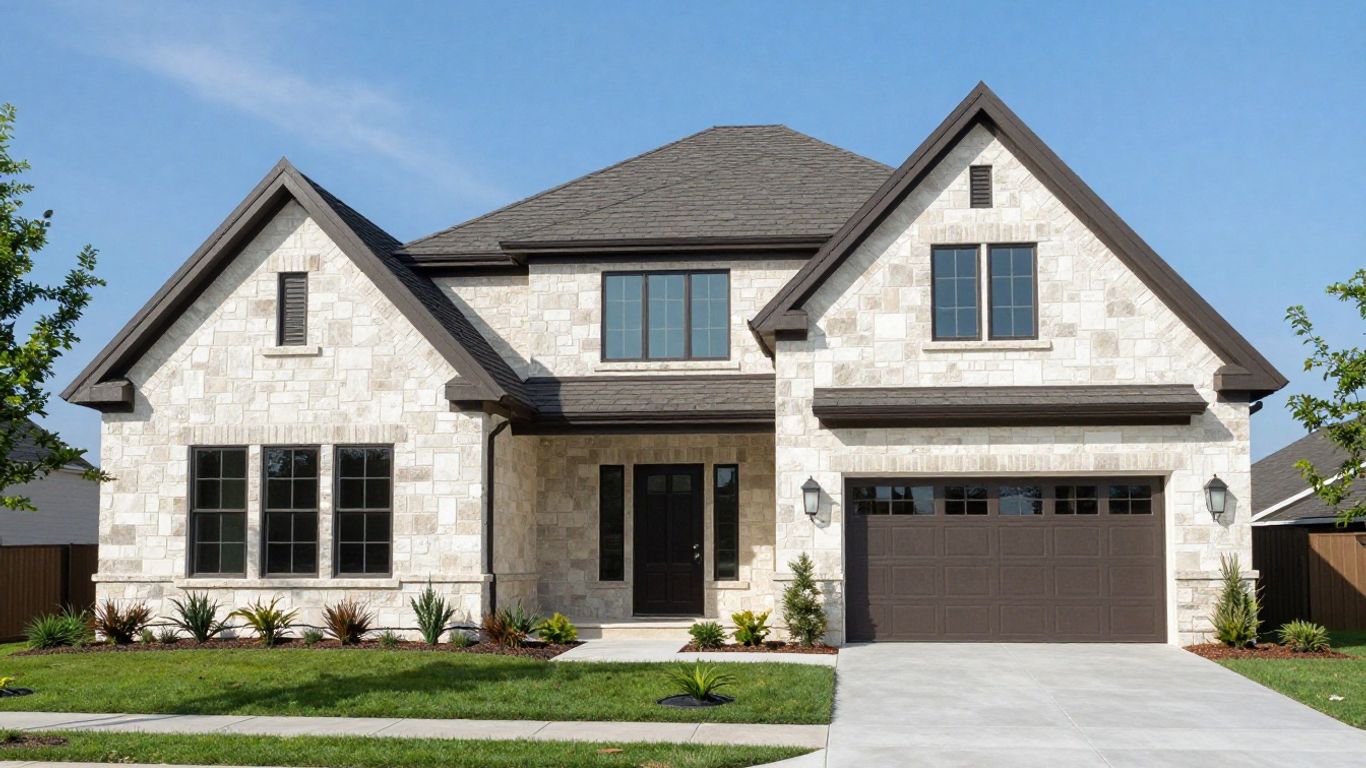
A VA Builder ID in Texas no longer works the way many older VA loan articles describe it. In 2026, most standard VA-guaranteed new construction loans do not require a builder to obtain a VA Builder Identification Number before the appraisal or Notice of Value process can move forward. However, builder registration still matters for specialized programs such as Specially Adapted Housing grants and Native American Direct Loans.
This guide explains the updated rules, corrects outdated builder ID advice, and helps Texas veterans, lenders, and builders understand what paperwork, local permits, warranties, and lender checks still matter before construction begins.
Quick Answer: Do Texas Builders Need a VA Builder ID in 2026?
For most standard VA-guaranteed new construction or proposed construction purchases in Texas, a VA Builder ID is no longer required. VA Circular 26-25-1 removed the procedure for builders to request a VA-issued builder identification number for processing many VA-guaranteed loans on new or proposed construction properties. That means the old rule that a builder ID had to be assigned before the Notice of Value is no longer the default rule for ordinary VA-guaranteed new construction.
The important exception is that a VA-issued Builder ID is still required for Specially Adapted Housing (SAH) grants and Native American Direct Loan (NADL) projects. In those cases, the builder registration process is still used as an administrative tracking and eligibility step. Veterans should also remember that a missing VA Builder ID is not the only issue that can delay a Texas build. Lender overlays, local building permits, inspections, warranties, appraisal conditions, and minimum property requirements can still affect approval.
Veterans considering VA construction loans or a one-time close construction loan should understand these updated requirements before starting a project.
What Is a VA Builder ID in Texas?
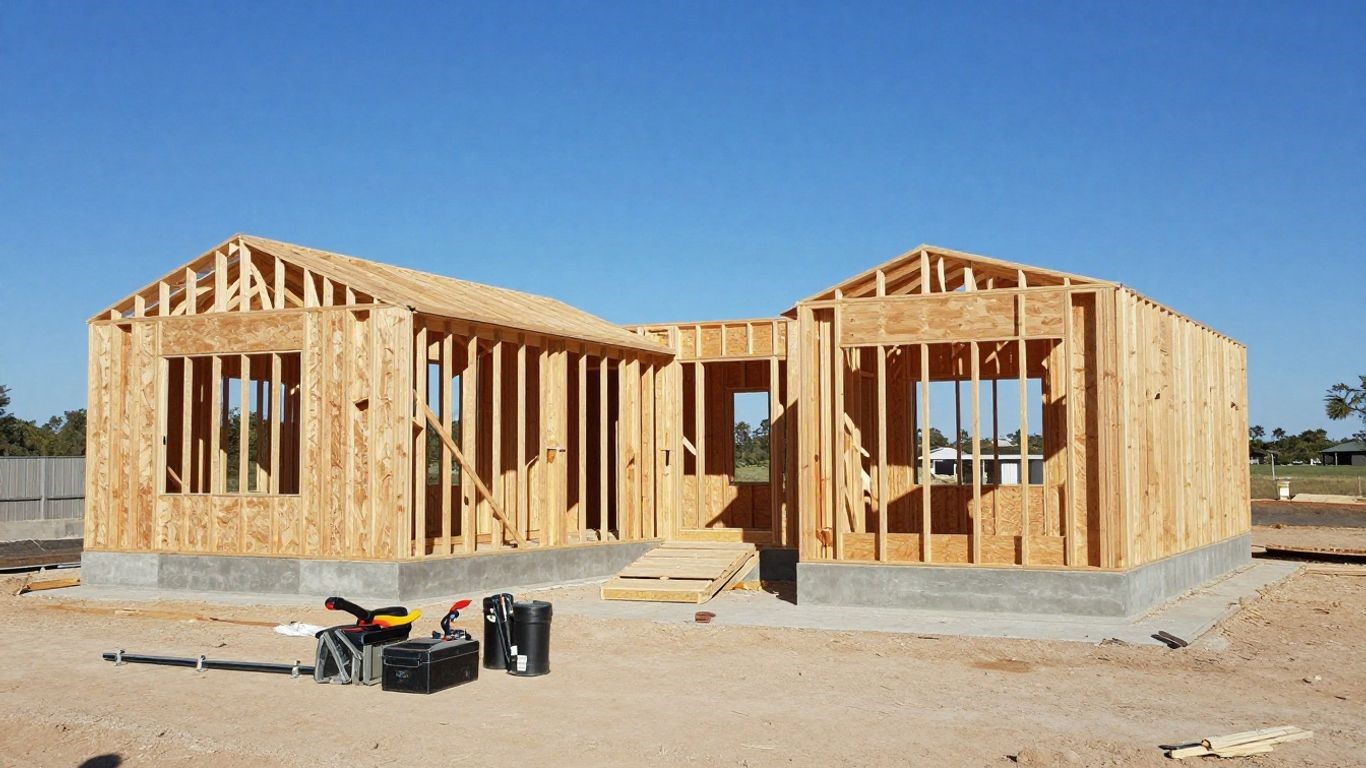 A VA Builder ID, also called a VA Builder Identification Number, is a number that the Department of Veterans Affairs historically used to identify builders working on new or proposed construction properties financed with VA-guaranteed loans. Older VA loan guidance often treated the builder ID as a required step before the appraisal process could move forward. That is why many buyers and builders still search for terms like VA approved builder Texas, VA builder ID Texas, or VA construction loan builder requirements.
The meaning has changed. In 2026, the phrase should be used carefully because the VA no longer requires a builder ID for most standard VA-guaranteed new construction loans. The ID still exists in narrow programs, but it should not be confused with a general quality certification. A builder can be experienced, properly insured, locally registered, and lender-approved without holding a VA Builder ID for a standard Texas VA-guaranteed construction transaction.
That is why many buyers and builders still search for terms like VA approved builders, VA builder ID Texas, or VA construction loans builder requirements.
Important 2026 Rule Update: What Changed After VA Circular 26-25-1?
The biggest factual correction for this topic is the March 31, 2025, update from the Veterans Benefits Administration. VA Circular 26-25-1 rescinded the builder identification number procedure for processing many VA-guaranteed loans on new and proposed construction properties. The circular also explains that VA had already stopped performing compliance inspections for new and proposed construction properties in 2006, relying instead on local building inspections and construction warranties.
This change is important because many older blog posts, lender checklists, and builder instructions still repeat outdated language. In today’s Texas VA home loan environment, the more accurate question is not simply, “Does my builder have a VA Builder ID?” The better question is: “Does this project type still require VA builder registration, and has the builder met the lender, local code, warranty, and documentation requirements for this specific loan?”
Veterans unfamiliar with the financing process may also benefit from understanding the VA loan approval process before construction begins.
| Topic | Old Common Understanding | Current 2026 Guidance |
| Standard new construction | Builder generally needed a VA Builder ID before the Notice of Value. | A VA Builder ID is no longer necessary for most VA-guaranteed new or proposed construction loans. |
| SAH grant projects | Builder registration was required for specialized adapted housing projects. | Still required; builders register to obtain a Builder ID for SAH work. |
| NADL projects | Builder ID applied to Native American Direct Loan construction on qualifying trust lands. | Still required where NADL builder registration applies. |
| Builder complaints | Some veterans believed VA would directly compel builders to correct defects. | VA now directs veterans toward local departments, licensing boards, warranties, or legal options rather than acting as the builder enforcement agency. |
This table matters because it separates the outdated general requirement from the specialized exceptions that still apply. A Texas veteran buying a completed spec home with a VA-backed loan is in a very different position from a veteran using an SAH grant to modify a home for serious service-connected mobility needs.
The practical takeaway is simple: do not reject a builder just because they do not have a VA Builder ID for a standard new construction purchase. Instead, verify whether your loan type, lender, and project category actually require the ID. Then check the builder’s Texas business status, local permit history, insurance, warranties, and experience with VA timelines.
When a VA Builder ID Is Still Required in Texas
Although the general builder ID requirement has been removed for many VA-guaranteed loans, specialized programs still have their own rules. The two most important categories are Specially Adapted Housing grants and Native American Direct Loans. These programs involve direct federal oversight or specialized accessibility and land-status considerations, so VA builder registration still has a role.
For SAH projects, the VA states that builders are not “approved” by VA in the sense of a quality endorsement. Instead, they register with VA and receive a Builder ID number. This distinction helps protect veterans from assuming that a Builder ID replaces due diligence, references, contract review, warranty review, or local inspection requirements.
| Project Type | VA Builder ID Needed? | What Texas Buyers and Builders Should Check |
| Completed spec home with VA-backed purchase loan | Usually no | Lender approval, appraisal, local code compliance, sales contract, and any builder warranty documents. |
| Proposed construction with a VA-guaranteed loan | Usually no under current VA circular | Lender construction overlays, plans/specs, inspections, permits, draw schedule, and warranty coverage. |
| Custom build financed through a private lender using VA-backed terms | Usually no federally, but lender may have requirements | Builder experience, financial strength, insurance, draw controls, contract terms, and local permitting. |
| Specially Adapted Housing grant project | Yes | Builder registration through VA, builder certification on letterhead, local license if required, and accessibility construction plan. |
| Native American Direct Loan construction | Yes | NADL eligibility, tribal trust land requirements, VA direct loan rules, and builder registration. |
This comparison gives veterans a fast way to identify whether the VA Builder ID issue is truly relevant to their deal. If the project is a standard purchase or proposed construction transaction, the lender’s conditions may be more important than the old builder ID checklist.
For SAH and NADL projects, do not wait until the last stage of construction to ask about registration. The builder should begin the VA Builder ID process early so the project does not stall when grant funds, direct loan approval, or accessibility-related construction documents are reviewed.
Buyers comparing financing options should also review VA One-Time Close Construction Loans to understand how construction financing differs from a traditional purchase.
Why the VA Builder ID Rule Matters for Texas Veterans
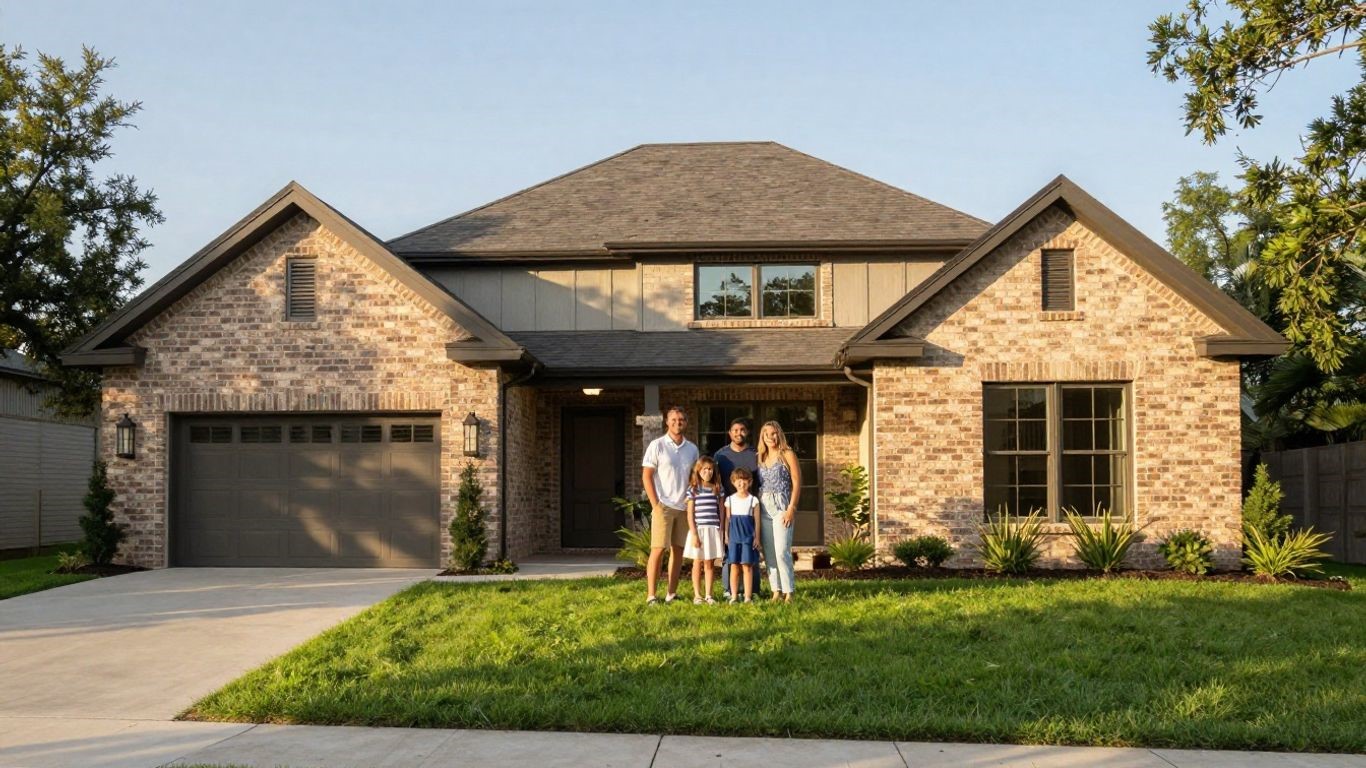 Texas veterans often explore new construction because the state offers a broad mix of master-planned communities, rural acreage, suburban developments, and custom home opportunities. In markets such as Dallas-Fort Worth, Houston, San Antonio, Austin, Killeen, El Paso, and smaller military-connected communities, new homes can appeal to buyers who want modern layouts, energy-efficient systems, and fewer immediate repair concerns.
The 2026 builder ID rule can help reduce unnecessary administrative friction, but it does not eliminate risk. A new home still needs to meet VA appraisal requirements, local building codes, lender construction standards, and contract deadlines. Buyers should focus on the real protections that remain: strong purchase agreements, clear warranties, professional inspections, local permit records, and a builder with a proven track record in Texas.
VA Builder ID vs. “VA Approved Builder”: Know the Difference
One of the most common semantic and factual issues in this topic is the phrase “VA approved builder.” It is popular in search queries, but it can be misleading. A builder registration number is not a blanket guarantee that VA has inspected, endorsed, or certified the builder’s work quality. For SAH, VA specifically frames the process as builder registration, not approval.
For standard VA-guaranteed new construction, the better phrase is “VA-experienced builder.” This means the builder understands the paperwork, timelines, appraisal standards, local inspections, warranty expectations, and lender communication needed for a VA buyer. That experience can be valuable even though a formal VA Builder ID is not required for most ordinary Texas projects.
| Phrase | What It Really Means | Safer Way to Use It |
| VA Builder ID | A VA-issued identification number still used for specific programs such as SAH and NADL. | Use it only when the project type actually requires registration. |
| VA approved builder | Often used casually, but it can imply VA endorses craftsmanship when it does not. | Use “VA-experienced builder” unless discussing a verified registration requirement. |
| Lender-approved builder | A builder who satisfies a lender’s underwriting, insurance, financial, or construction draw requirements. | Ask the lender what documents they require from the builder. |
| Texas licensed builder | May be inaccurate for general contracting because Texas does not use one statewide general contractor license. | Verify local registration, permits, specialty trade licenses, and insurance. |
This language cleanup helps the blog rank for the terms people search while still giving a correct answer. It also protects readers from assuming that a popular phrase carries a legal or official meaning that it does not carry in the current VA system.
From a practical standpoint, buyers should ask for proof rather than labels. A reputable Texas builder should be able to provide references, warranty information, insurance documentation, local permit history, construction timelines, and contact information for prior completed projects.
Texas Local Requirements Still Matter
The VA rule change does not override Texas local building requirements. Texas does not generally operate one statewide general contractor license system for ordinary residential builders, but cities, counties, and local authorities can require permits, registrations, inspections, and specialty trade compliance. Electricians, plumbers, HVAC contractors, engineers, and other trades may be subject to separate licensing or code requirements.
This is especially important because Texas construction rules can vary significantly between municipalities. A builder working in Houston may face different local processes than a builder working in Dallas, San Antonio, Austin, Fort Worth, a county outside city limits, or a master-planned community with its own architectural standards. Veterans should verify the local permitting path before assuming a project is ready for lender approval.
| Texas Requirement Area | Why It Matters | What to Ask For |
| Local building permits | Permits help confirm that the project is being reviewed under local code requirements. | Ask for permit numbers, inspection schedule, and the local building department contact. |
| Trade licensing | Electrical, plumbing, HVAC, and other specialty trades may have separate licensing requirements. | Ask who performs each trade and whether their license is active where required. |
| Insurance | Insurance helps protect the project from job-site liability and builder risk. | Ask for general liability coverage and any lender-required insurance certificates. |
| Warranties | New construction warranties can matter when VA relies on local inspections and warranty protections. | Ask for the written one-year builder warranty or structural warranty information if applicable. |
| HOA or community approval | Many Texas subdivisions have architectural controls that can delay changes. | Ask whether the plans have been submitted to the HOA or architectural review committee. |
This table should be used before a veteran signs a construction agreement or new-build purchase contract. The absence of a VA Builder ID requirement does not mean the build is automatically lender-ready or code-compliant.
For added protection, buyers can request a pre-construction meeting with the builder, lender, and real estate agent. This helps everyone confirm who is responsible for permits, inspections, draw documents, final certificate of occupancy, appraisal conditions, and warranty paperwork.
Buyers planning new construction should also understand things to know about construction loans because lender requirements extend beyond VA guidance.
How VA New Construction Financing Works in Texas
A VA-backed loan can be used for eligible home purchases, and some lenders offer VA construction-to-permanent or new construction options. However, the VA guarantee is not the same as a direct promise that every construction deal will close. The veteran must meet lender credit and income standards, the property must meet appraisal and minimum property requirements, and the builder must satisfy any lender-specific construction conditions.
Texas buyers should also plan around property taxes, homeowners insurance, flood-zone issues, homeowners association costs, and potential municipal utility district charges. These expenses can affect debt-to-income ratio, residual income, cash to close, and the final affordability of the home. A well-prepared builder and lender can help avoid surprises before the appraisal and underwriting stages.
Estimating costs with a VA Mortgage Calculator or VA Construction Loan Calculator can help buyers prepare before underwriting begins.
How to Register for a VA Builder ID When It Is Still Needed
For SAH builder registration, VA states that the process is usually straightforward. Builders submit two core items through a ServiceNow ticket: builder information and certification on the builder’s letterhead, and a copy of the builder’s license if a state or local authority requires one. VA also notes that, in most cases, an ID number can be issued within five business days when the submission is complete.
Because Texas requirements can vary locally, the builder should not assume that “no statewide general contractor license” means no local paperwork is needed. If the city, county, or project type requires a registration, permit, or local license, copies should be included where applicable. This is especially important for SAH projects because delays can directly affect accessibility modifications needed by disabled veterans.
- Confirm that the project type is SAH, NADL, or another category where builder registration is still required.
- Prepare builder information and certification on company letterhead.
- Include the company’s full legal name, business address, phone number, email address, and responsible contact.
- Attach copies of required local licenses or registrations if a Texas municipality or local authority requires them.
- Submit the registration package through the VA ServiceNow ticket process.
- Wait for the VA-issued Builder ID before proceeding with the specialized program documentation that requires it.
- Keep a copy of the ID and registration submission for the veteran, builder, lender, and project file.
Builder Documentation Checklist for Texas VA Projects
Even when a VA Builder ID is not required, a lender may still ask for a builder package before approving a construction loan. This is not the same as VA builder registration. It is usually a lender risk-management process designed to confirm that the builder can complete the job, manage draws, carry insurance, and provide warranty coverage.
The following checklist is a practical way to organize the file. It should be adjusted based on the lender, city, county, project type, and whether the work involves SAH or NADL requirements.
Veterans can also review the VA Mortgage Documents Checklist to prepare for the documentation lenders commonly request.
| Document | Who Usually Reviews It? | Why It Helps |
| Builder information/certification letter | VA for SAH/NADL; lender for some construction loans | Identifies the builder and confirms required program certifications. |
| Local permit or registration records | Local authority and lender | Shows the builder is following municipal or county construction rules. |
| Insurance certificates | Lender and buyer | Helps confirm the project has basic liability protection. |
| Construction contract and scope | Buyer, lender, and sometimes attorney | Defines price, timeline, materials, changes, draws, and responsibilities. |
| Plans, specs, and cost breakdown | Lender, appraiser, builder, and buyer | Supports the appraisal, construction budget, and draw schedule. |
| Warranty documents | Buyer and lender | Explains what is covered after closing or completion. |
| References and completed project list | Buyer and sometimes lender | Helps verify experience and reputation in Texas markets. |
A complete builder file reduces stress for all parties. It also helps prevent common delays such as missing permit numbers, unclear warranty language, or mismatched business names across insurance documents and contracts.
For veterans, the checklist also creates leverage before committing to a builder. If a builder resists sharing basic documentation, does not understand VA timelines, or cannot explain how local inspections will be handled, that may be a sign to slow down and compare other options.
Minimum Property Requirements and Appraisal Issues
A VA Builder ID does not replace the VA appraisal process. VA-backed homes must still satisfy minimum property expectations related to safety, structural soundness, sanitation, access, marketability, and habitability. For proposed construction, appraisers and lenders may review plans, specifications, cost estimates, and the finished property condition before the loan can close.
Veterans should not treat the VA appraisal as a complete home inspection. An appraisal is primarily tied to value and minimum property requirements, while an independent home inspection is designed to help the buyer understand defects, workmanship issues, and maintenance risks. On a new Texas build, both the local inspection path and a buyer-chosen inspection can be valuable.
Learning more about VA Loan Facts can help buyers understand how appraisal and eligibility standards fit into the overall loan process.
Tips for Texas Veterans Choosing a Builder
Choosing the right builder is still one of the most important decisions in a VA new construction purchase. A good builder does more than frame walls and pour foundations. They communicate clearly, document changes, coordinate inspections, understand lender draw requirements, and respond professionally when questions arise.
Veterans should compare multiple builders when possible. Ask for completed projects in the same region, references from recent buyers, proof of insurance, warranty terms, permit history, and a sample construction timeline. If the project includes accessibility features, ask whether the builder has experience with wider doorways, barrier-free showers, ramps, roll-in entries, lowered fixtures, or other SAH-related modifications.
- Ask whether the builder has worked with VA buyers or VA construction loans before.
- Confirm who handles local permits and who pays for permit-related delays or re-inspections.
- Request a written change-order process before upgrades or plan changes begin.
- Review warranty terms in writing instead of relying on verbal assurances.
- Ask your lender whether they have any builder approval, draw, inspection, or insurance overlays.
- Get an independent inspection if you want a second set of eyes beyond the appraisal and local inspections.
Tips for Builders Working with VA Buyers in Texas
For builders, the 2026 rule update creates an opportunity to work with more VA buyers without waiting on a general builder ID. However, the removal of one federal paperwork step does not remove the need for professional documentation. Builders who prepare a clean lender package can stand out in competitive Texas markets.
A strong builder package should include current contact information, insurance certificates, local permit history, project references, warranty templates, completed-home examples, plans/specs, and a clear draw schedule. For SAH and NADL projects, builders should still complete VA registration before the project reaches a point where the ID is required.
Understanding how VA construction loans for veterans work can also improve communication with lenders and buyers throughout the project.
Common Mistakes to Avoid
- Assuming old VA Builder ID rules still apply to every Texas new construction loan.
- Calling a builder “VA approved” without explaining what that phrase actually means.
- Waiting until closing or grant review to discover that an SAH or NADL project requires builder registration.
- Ignoring local permit and inspection requirements because the VA general builder ID process changed.
- Skipping an independent home inspection just because the home is newly built.
- Accepting vague warranty language or unclear responsibility for post-closing repairs.
- Not asking the lender about overlays before signing a construction contract.
Conclusion
The VA Builder ID Texas rules are simpler in 2026, but they are also easier to misunderstand. For most standard VA-guaranteed new construction and proposed construction loans, builders no longer need a VA-issued Builder Identification Number. The major exceptions are Specially Adapted Housing grants and Native American Direct Loan projects, where builder registration still plays an important administrative role.
For veterans, the best strategy is to focus on the full construction picture rather than one outdated checkbox. Choose a VA-experienced builder, verify local Texas requirements, ask your lender about construction overlays, review warranties carefully, and get professional inspections when appropriate. For builders, the winning approach is clear documentation, honest communication, and a strong understanding of VA buyer needs. That combination protects the veteran, supports the lender, and keeps Texas homebuilding projects moving with fewer avoidable delays.
Veterans planning to build should learn about VA construction loans, compare VA One-Time Close Construction Loans, and contact a VA loan specialist if they have questions about lender requirements or builder documentation.
Frequently Asked Questions
Is a VA Builder ID mandatory for all home builders in Texas in 2026?
No. A VA Builder ID is no longer mandatory for most standard VA-guaranteed new or proposed construction loans. It remains required for specific programs such as Specially Adapted Housing grants and Native American Direct Loans.
Do builders still need to register with VA for SAH projects?
Yes. Builders working on Specially Adapted Housing projects still need to register with VA to obtain a Builder ID. VA describes this as registration, not builder approval or endorsement.
How long does SAH builder registration usually take?
VA says that, in most cases, an ID number can be issued within five business days when the builder submits the required information and certification on letterhead, along with a required local license if applicable.
Does Texas require a statewide general contractor license?
Texas generally does not have one statewide general contractor license for ordinary residential builders. However, local municipalities, counties, and specialty trades may require permits, registrations, inspections, or licenses.
Can a lender still reject a builder even if VA does not require a Builder ID?
Yes. Private lenders can apply their own construction loan requirements, including builder experience, financial review, insurance, draw controls, warranty standards, and documentation rules.
Does a VA Builder ID guarantee construction quality?
No. A Builder ID is an administrative registration number for specific programs. Veterans should still review references, contracts, warranties, permits, inspections, and the builder’s completed work.
What should Texas veterans ask before choosing a builder?
Veterans should ask about VA loan experience, local permit responsibility, insurance coverage, warranty terms, project timeline, change-order rules, inspection process, and whether the lender has any builder approval requirements.


